Help
Frequently asked questions
The pieces, what the symbols mean, ordering, gifting, pet charms, and care and sizing.
The pieces
Are the stones natural?
Yes. The jade, quartz, obsidian and other stones in the collection are natural, and each product page names a piece's materials exactly, under Materials.
Because they are natural, color, pattern and small inclusions vary from piece to piece. The piece you receive will not be identical to the one in the photograph, and no two are quite alike.
Is the dzi bead antique?
No. Our dzi beads are modern: natural agate, etched with the traditional pattern of eyes and lines, and made today. We say so on the product page.
Old dzi are rare and costly, and in the Himalaya they are kept in families for generations. A bead sold as antique at an ordinary price is almost never what it claims to be. The story of the bead is told in the symbol glossary.
What is gold vermeil?
A layer of 18k gold over a base of sterling silver. In the United States the word is reserved for gold of at least 10 karat, at least 2.5 microns thick, over sterling silver — a heavier layer than ordinary gold plating.
Vermeil is not solid gold. With care it keeps its color for years, but friction and chemicals wear any gold layer in time; the care guide explains how to slow that. Where a piece is gold-plated or gold-tone instead, its product page says so.
Why might my piece look different from the photographs?
Natural stones vary in color and pattern, and one jade bead may be paler or more clouded than another. Screens shift color too, and we photograph in daylight on plaster, which warms it.
Dimensions on each product page marked "about" vary slightly from piece to piece. If anything about a piece is unclear, write to us before you choose.
Meaning and tradition
Do the pieces have spiritual power?
We do not claim that they do. We will not tell you that a piece will protect you, heal you or bring you money, and we would be wary of anyone who did.
What we can tell you is what each symbol has meant to the people who made and wore it: where it comes from, how it is traditionally worn, and what it was given for. We tell it as tradition, not as a promise. Many people find that a symbol worn every day becomes a reminder of something they mean to keep hold of. That part belongs to you.
Is it respectful to wear a symbol from a tradition that is not my own?
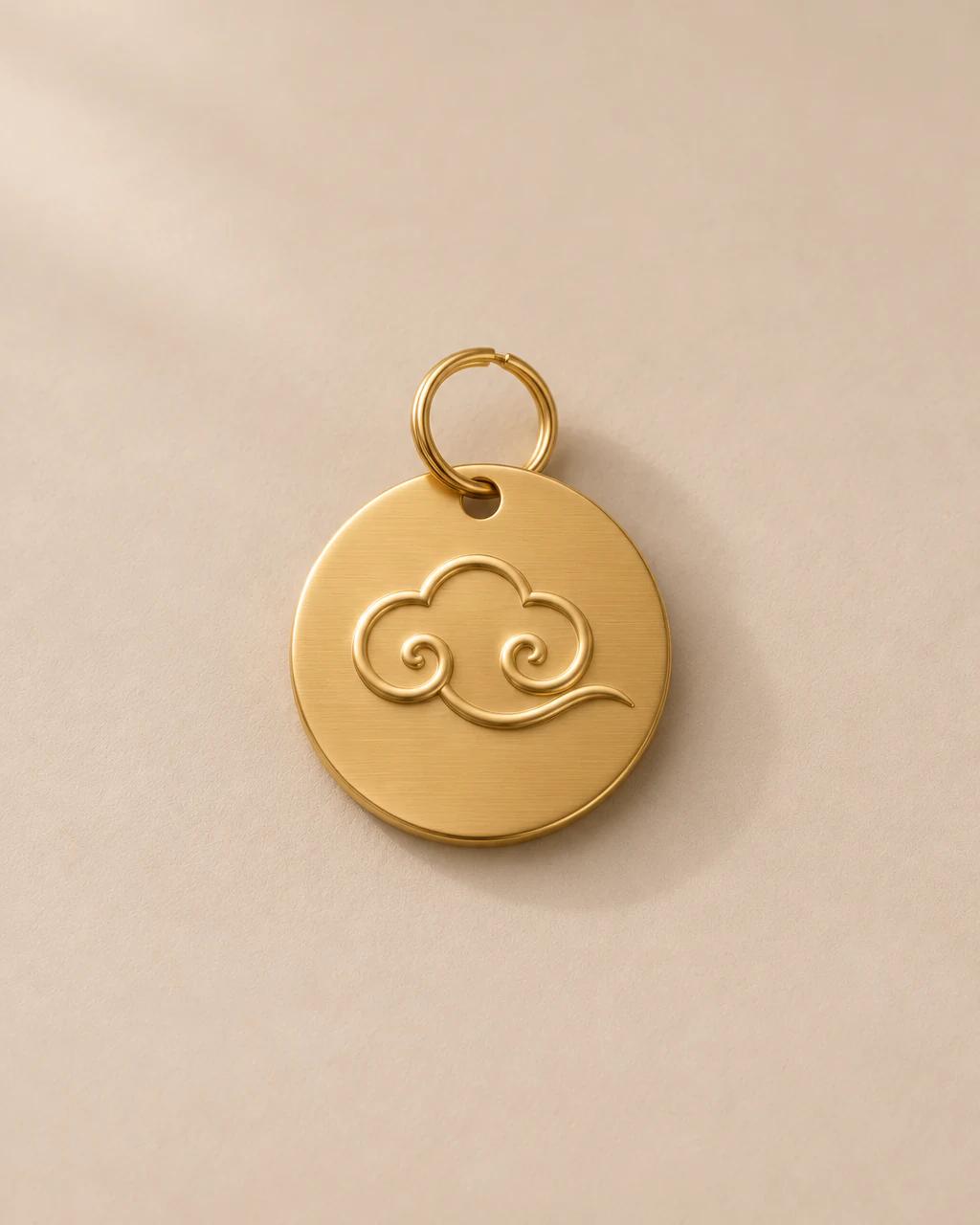
We think it can be, and we take the question seriously. Many of these symbols — the lotus, the red thread, the píng'ān kòu, the auspicious cloud — are everyday emblems, worn and given across East Asia by people of every faith and none. Others belong to living religious practice: the dorje and the mala are ritual objects in Buddhism, and the dzi is treasured in Tibetan families.
A good rule for both: learn what a symbol means before you wear it, wear it for that meaning rather than as a costume, and treat ritual objects with the care their owners give them. In Buddhist custom, for example, a mala is not set down on the floor. The symbol glossary tells where each symbol comes from.
Do I need to cleanse, charge or bless a piece before wearing it?
No. Nothing is required, and our pieces are not blessed or charged before they leave us. Some people like to mark the first wearing with a small act of their own; each product page has a short note on how the piece is traditionally worn or used.
What is the blessing card?
A card that comes with the piece and tells the story of its symbol: where it comes from and what it has traditionally meant. It is written to be kept, or passed on with a gift.
Ordering
Can I order now?
Not yet — checkout is opening soon. Until then you can browse the whole collection and add pieces to your bag. The bag is kept in this browser, on this device, so your choices will be waiting when checkout opens. Nothing is charged.
How will I hear when checkout opens?
The mailing list at the foot of each page is being set up; until it is connected, the privacy notice explains what happens to an address you enter. In the meantime, write to us and ask us to let you know.
Which currency are prices in?
US dollars. Prices are shown in whole dollars and may change before checkout opens.
Where do you deliver, and what is your returns policy?
We have not set these yet, and we would rather say so than guess. Delivery countries, options, times and costs, and the returns policy, will be published on Shipping & returns before checkout opens.
Gifting
How do pieces arrive?
Our pieces arrive in a linen-wrapped box with a blessing card that tells the story of their symbol. Each product page lists exactly what is included.
Can I add a gift note or send a piece to someone else?
Whether you can add a gift note, or send a piece straight to someone else, will be explained here before checkout opens.
Do you make gift sets?
Yes. Our gift sets bring together pieces chosen to be given together, and each set's page lists exactly what is inside.
I do not know their size. What should I choose?
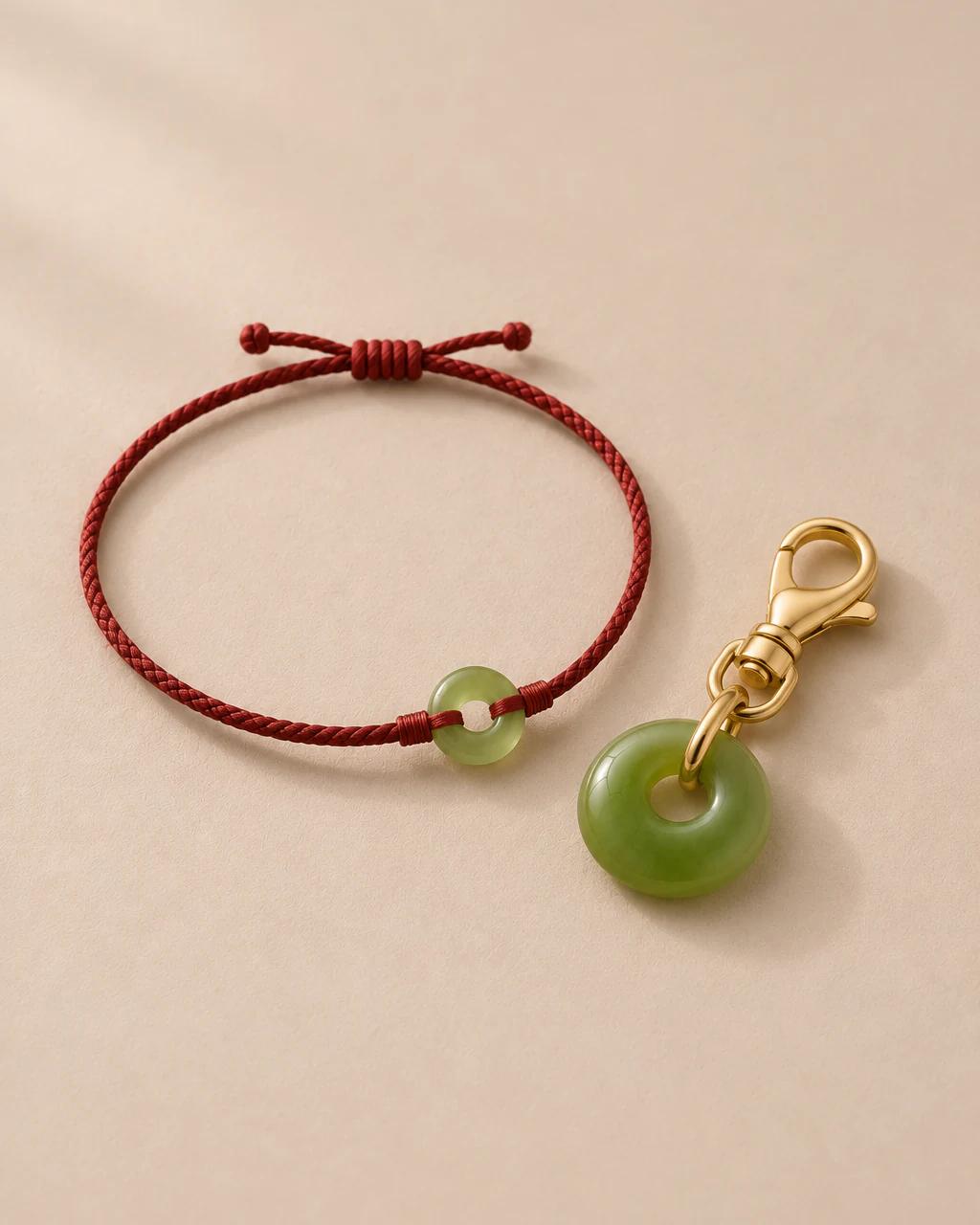
A bracelet on braided cord closes with a sliding knot and fits a range of wrists, and a necklace needs no size at all. For a ring or a beaded bracelet, the size guide shows how to measure — a ring they already wear on that finger is the surest guide.
Pet charms
Are the pet charms safe for my animal?
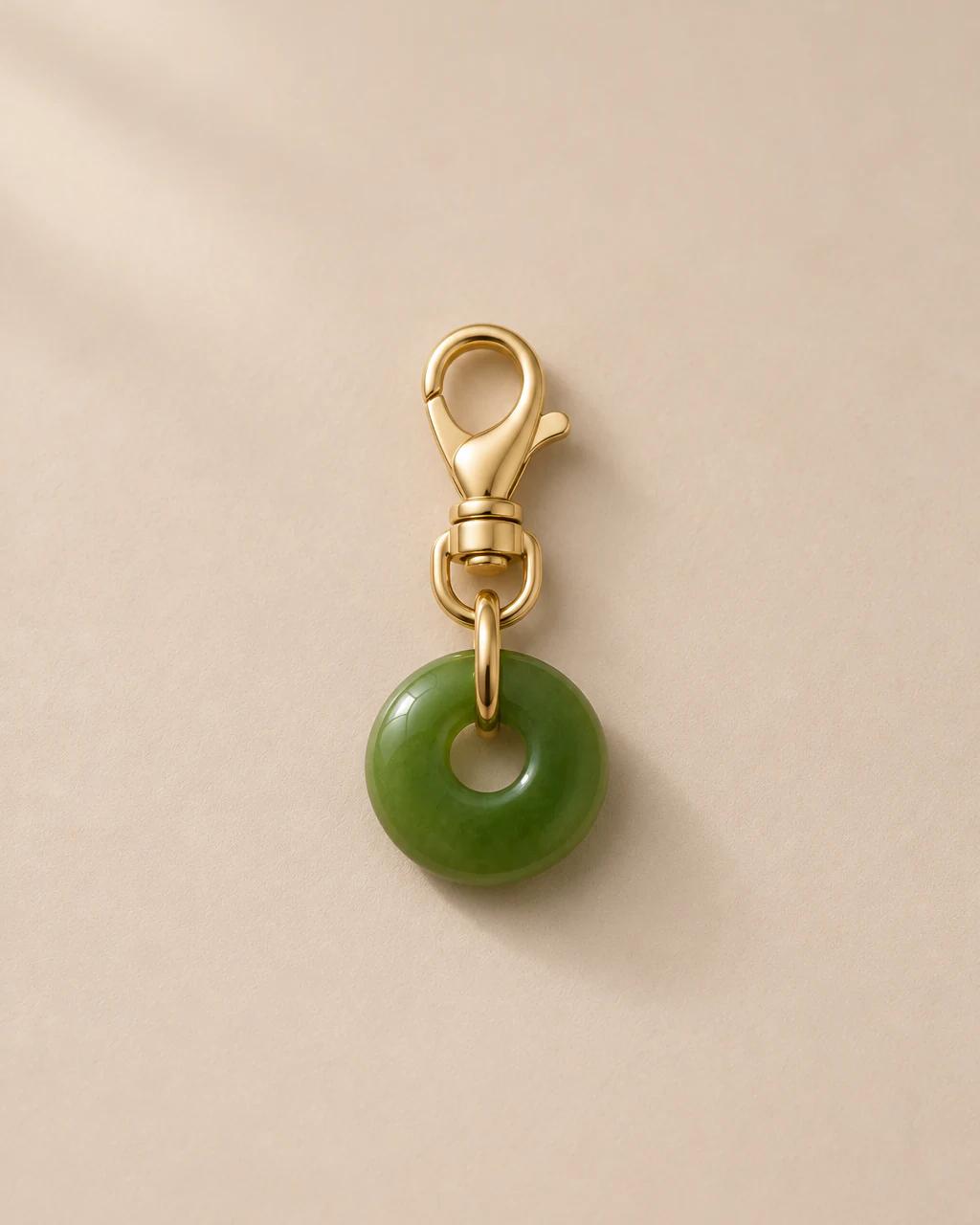
They are made to hang from the D-ring of a collar, beside an identity tag and never in place of one. Like any collar charm they are small, hard objects, so a little care goes a long way.
Fit a charm only to a collar your animal already wears comfortably; for cats, a breakaway collar is the safer choice. Take the charm off if your animal chews it or catches it, and before baths, swimming and grooming. Check the clasp or ring from time to time and retire the charm if the metal shows wear. A charm is not a toy, and is best kept from animals that chew everything.
Will a charm fit my pet's collar?
Each pet charm's product page gives the size of its clasp or ring, so you can check it against the D-ring of your collar before you choose. You will find them all under pet charms.
Care and sizing
How do I look after my piece?
Put it on last and take it off first: after perfume and lotion, before washing, swimming, exercise and sleep. Wipe it with a soft dry cloth after wearing and store it on its own in its box. The care guide goes material by material, from jade and vermeil to bodhi seed and braided cord.
Which bracelet size should I choose?
Measure your wrist, then add 1 cm for a close fit or 2 cm for a relaxed one. Small is 15 cm around the inside, Medium 16.5 cm and Large 18 cm. The size guide shows how to measure.
How do I find my ring size?
Measure the inside of a ring you already wear on that finger, or wrap a strip of paper around the finger, and compare the result with the chart in the size guide. Our rings come in US sizes 5 to 10.
Which necklace length should I choose?
On most people, 45 cm sits just below the collarbone and 60 cm rests at the breastbone. The size guide shows where each length falls.
My beaded bracelet has loosened. What should I do?
Elastic relaxes with wear and age; that is the nature of the material. A jeweller can restring it. To keep it longer, roll the bracelet on and off over the hand instead of stretching it, and take it off to wash and swim.
Still have a question?
Write to us about sizing, care, a symbol's story or choosing a gift.
- Natural jade & stone
- 18k gold vermeil
- Every symbol explained
- Gift-ready packaging