No. 16 / 18
Crystal & Stone
Sacred nature
Crystal & Stone
Clarity · Grounding · Strength
Quartz, amethyst, obsidian and tiger's eye — stones chosen for their character as much as their color.
Meaning and tradition
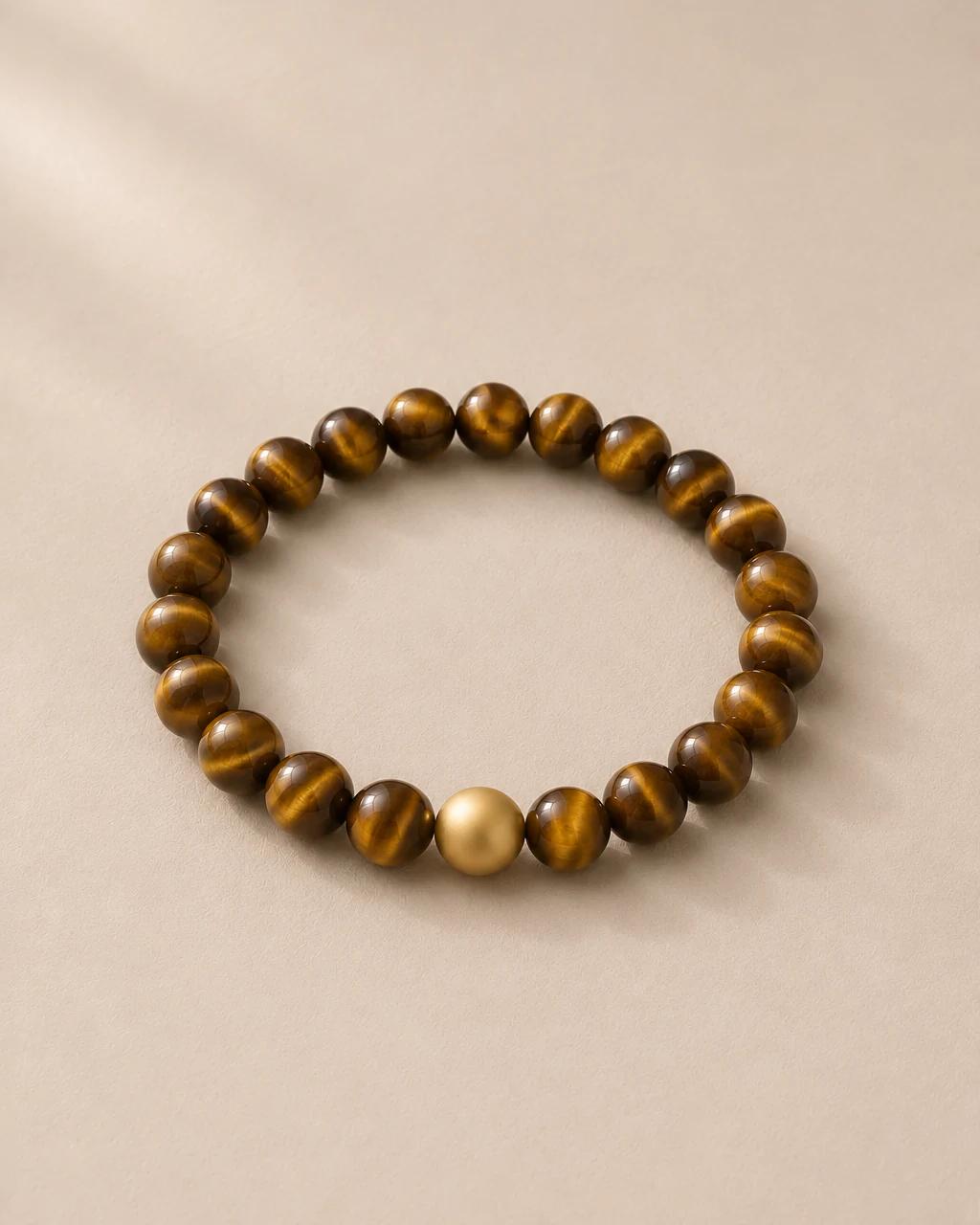
Crystal, called “water crystal” in Chinese, is first of all clear quartz: silicon dioxide grown in six-sided columns that end in a point. Quartz is among the commonest minerals in the earth's crust, and several of our stones are quartz. Amethyst is quartz colored violet by traces of iron. Tiger's eye is quartz with a fibrous structure that sends a band of light across the surface. Obsidian is the exception: not a crystal but volcanic glass, formed when lava cools too quickly to crystallize.
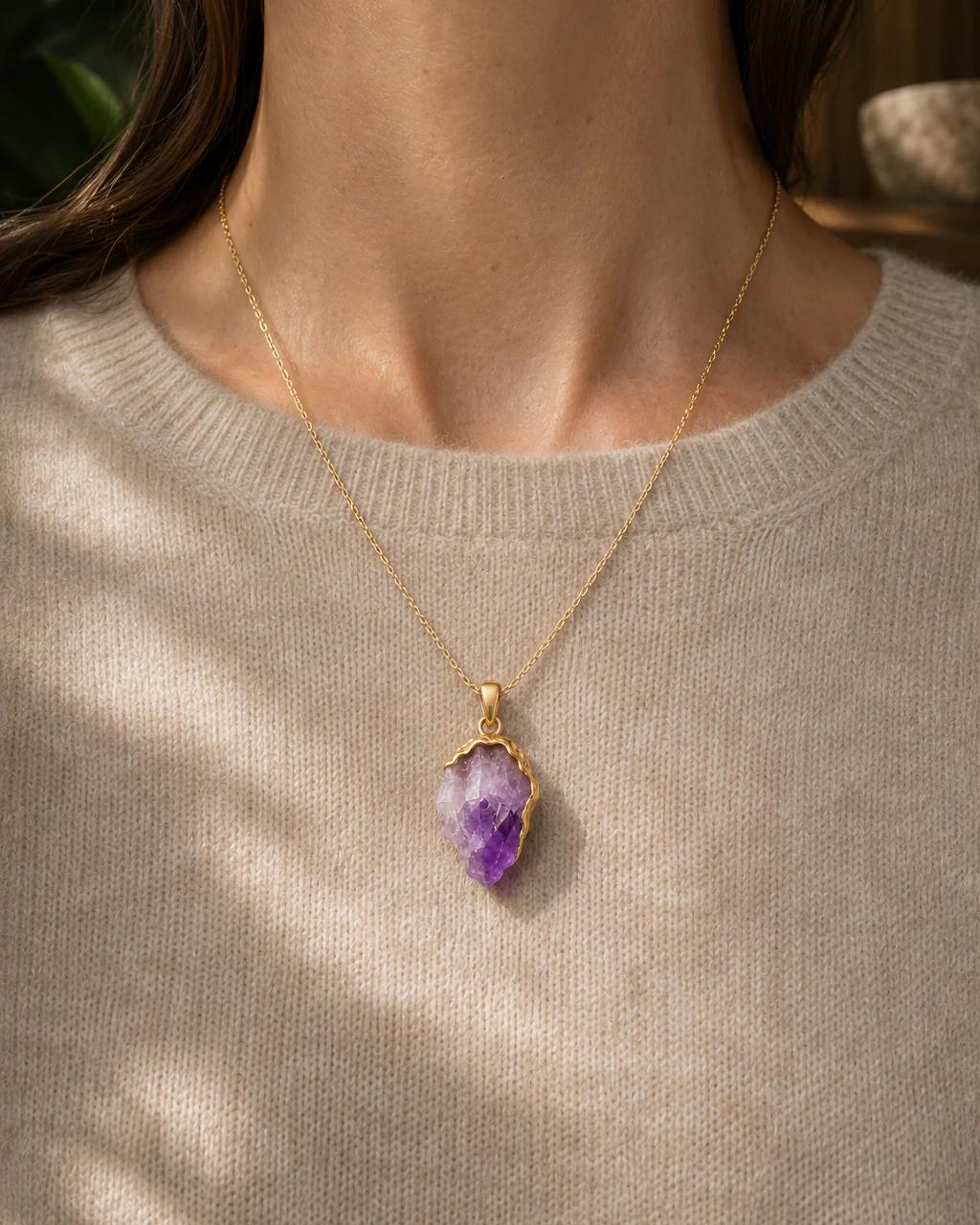
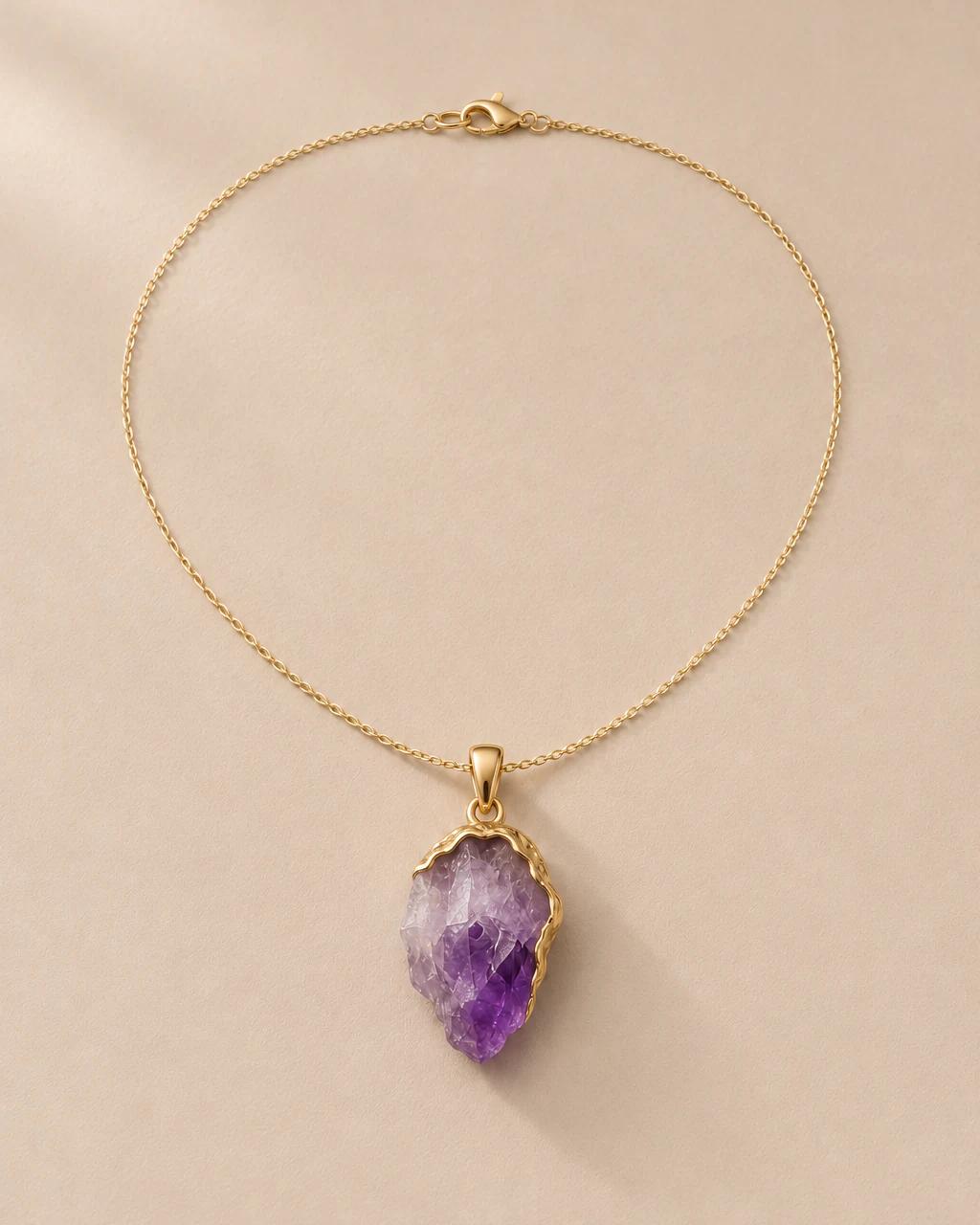
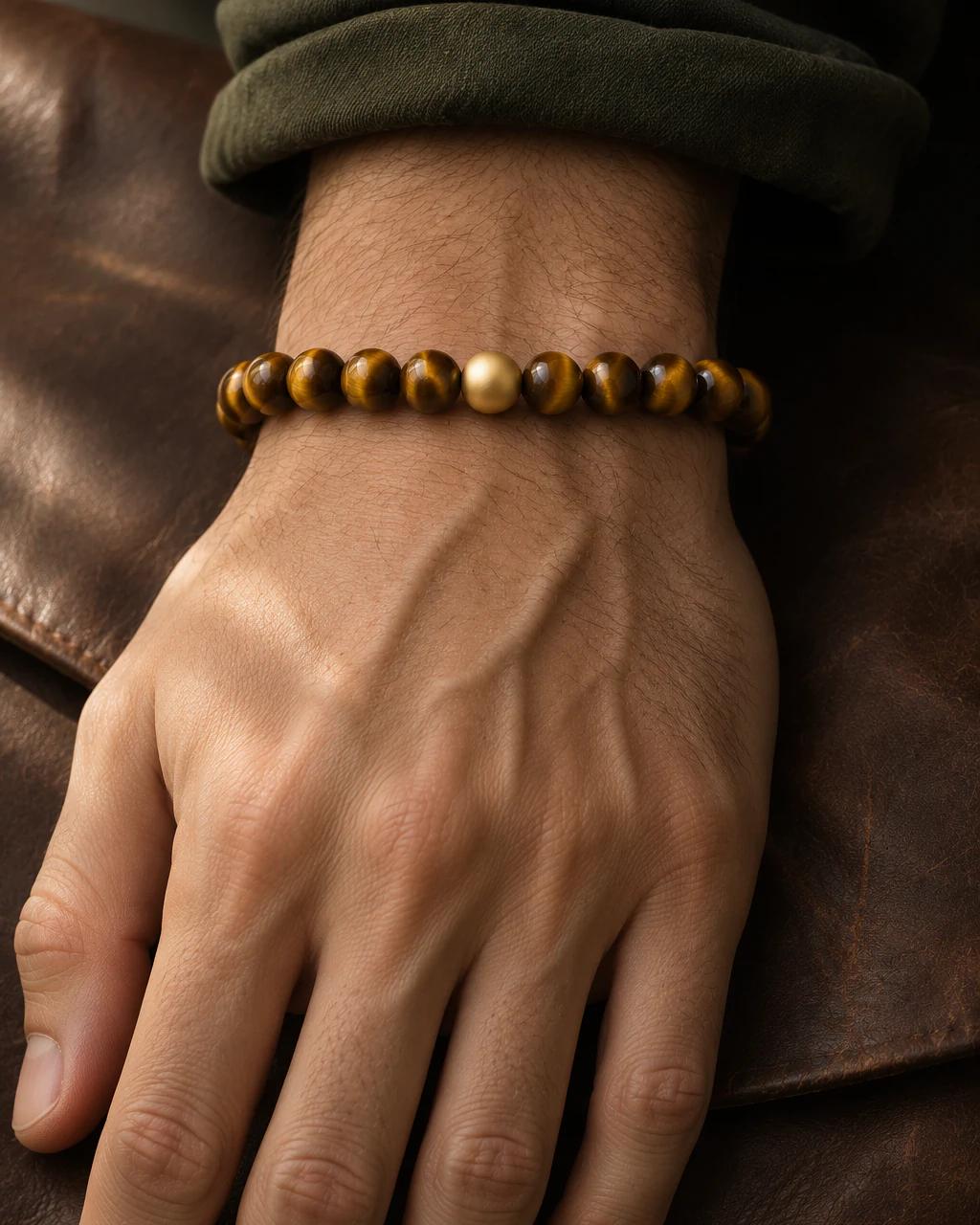
The old ideas about these stones follow from how they look. The Greeks thought rock crystal was ice frozen past melting, and the Chinese name makes the same link to water. Rock crystal appears in Buddhist lists of the seven treasures and has long been cut into prayer beads. Amethyst takes its name from a Greek word meaning “not drunk”, and was worn against drunkenness. Tiger's eye is named for the watchful animal. Obsidian, black and reflective, was made into blades and mirrors long before it was jewelry.
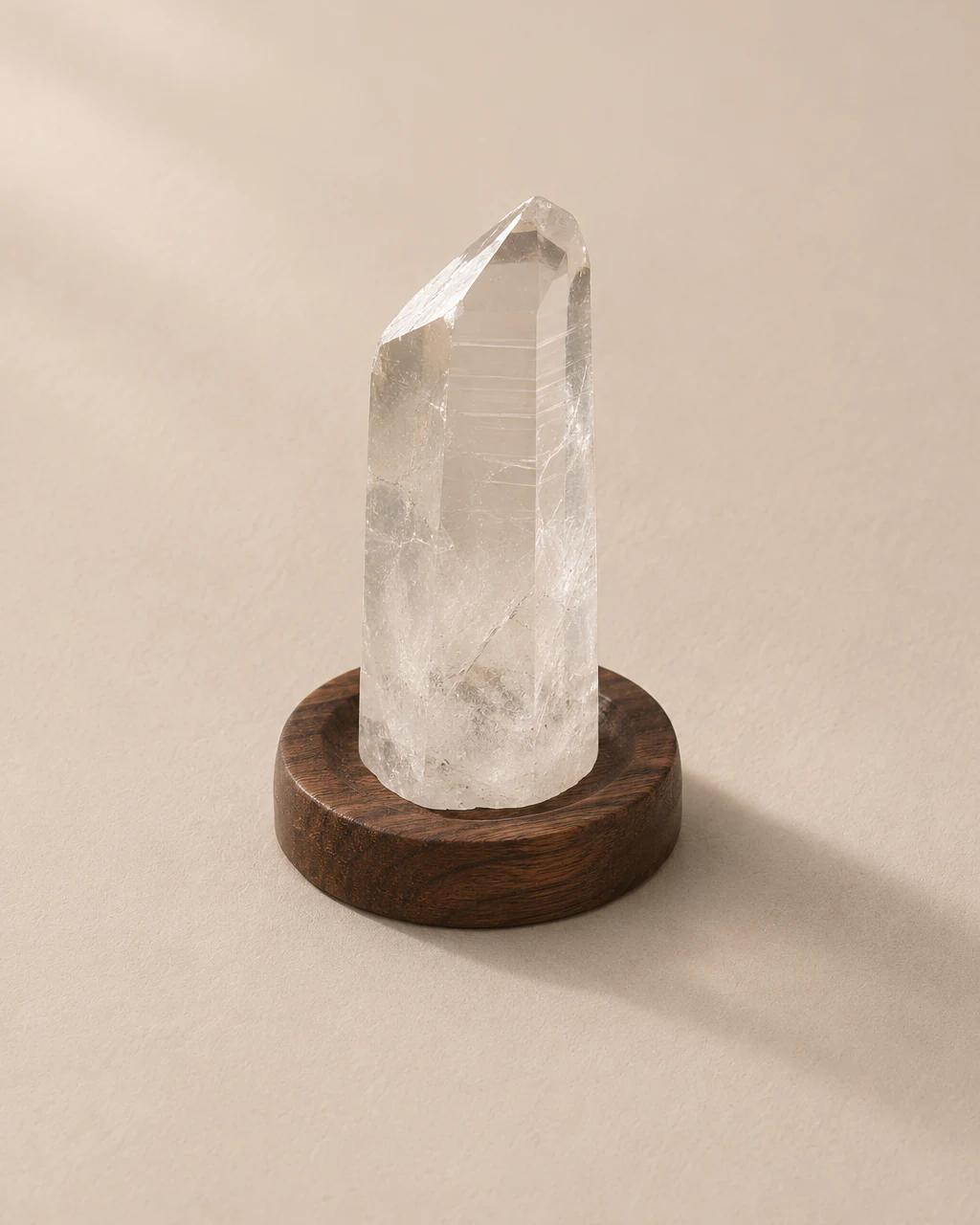
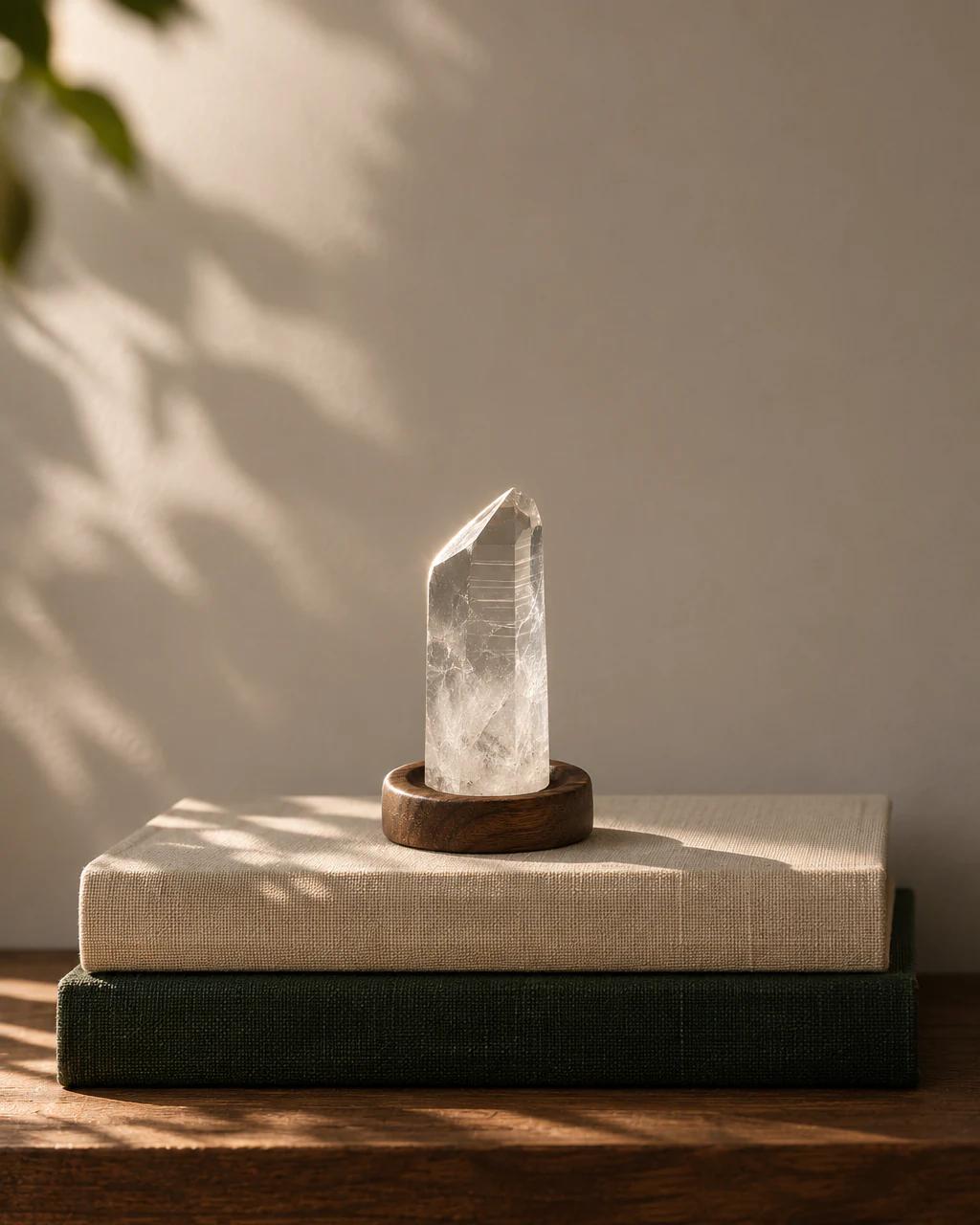
Much of what is said about crystals today is recent, and we make no claims for what a stone will do. Customs are another matter. A quartz point is commonly stood on a desk or windowsill where light can pass through it. Dark stones such as obsidian are widely worn in East Asia as guardians.
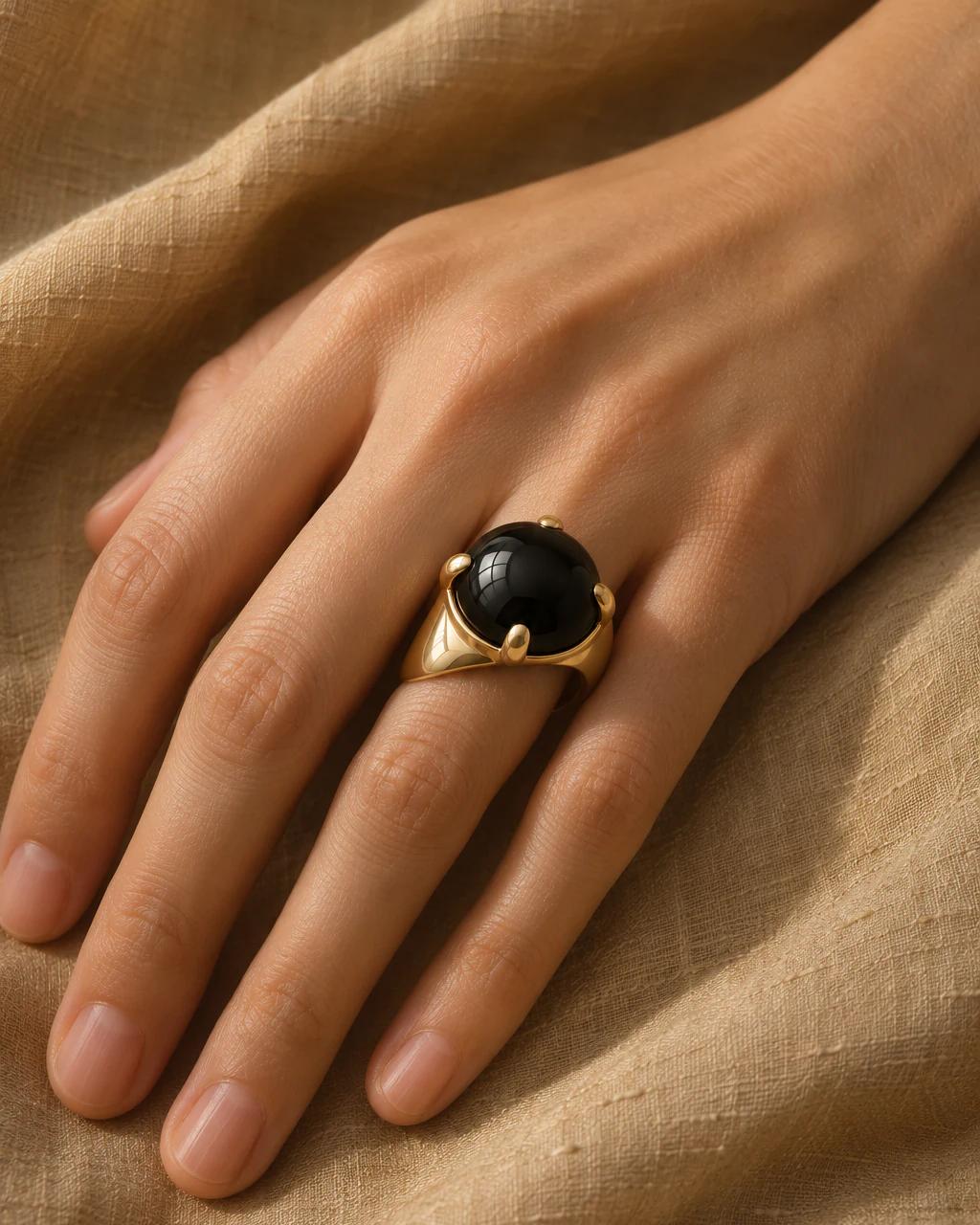
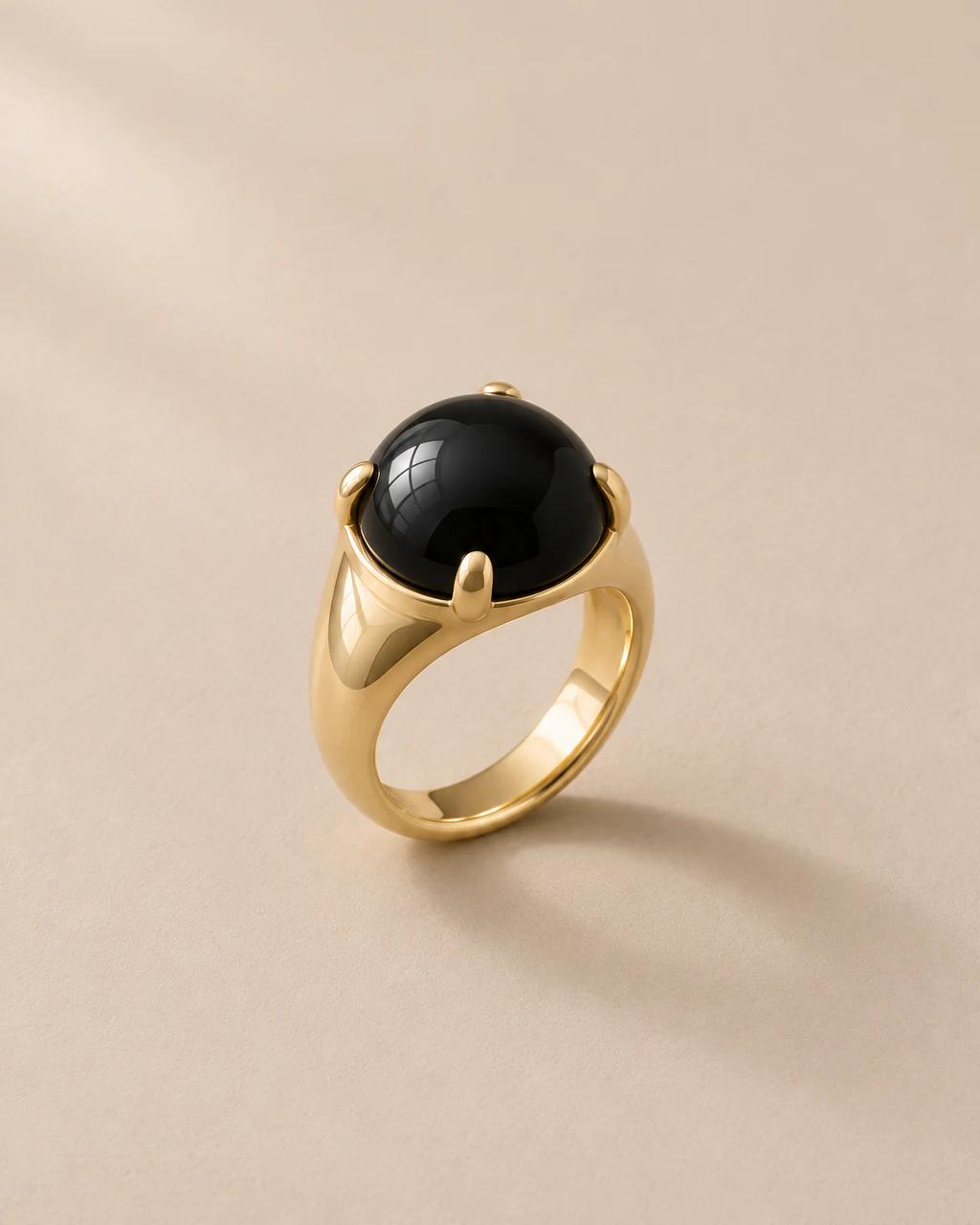
Our Himalayan Quartz Point is a natural clear point on a walnut base. The Obsidian Dome Ring sets a high black cabochon in gold vermeil. For the other great stone of the East, see jade.
Also in the shop
You may also like
Signature
Signature
New
The Sacred nature tradition
Related symbols
- JadeVirtue · Protection · Longevity5 pieces
- Sacred MountainStillness · Pilgrimage · Perspective2 pieces