No. 11 / 18
vajra
Sanskrit: the thunderbolt
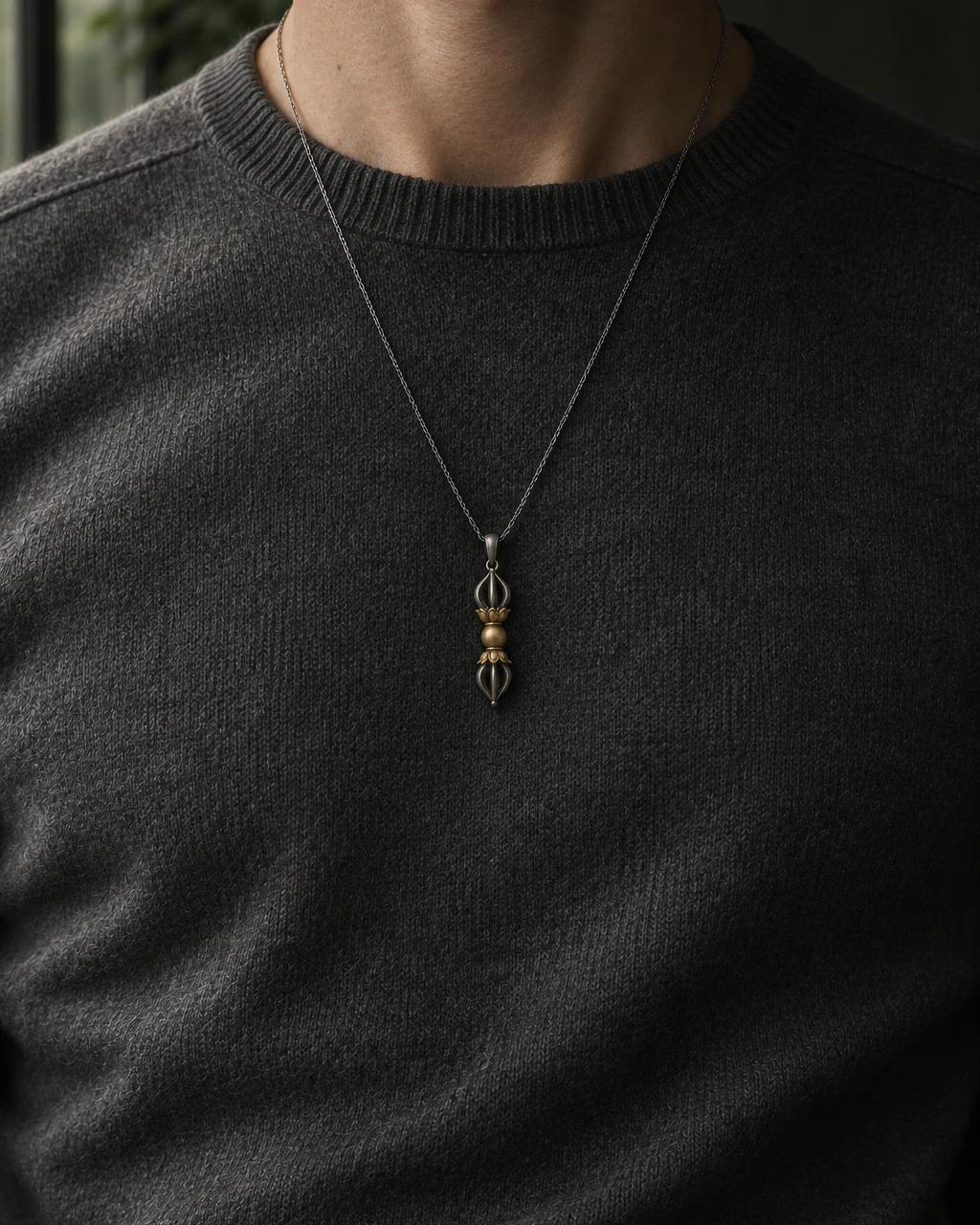
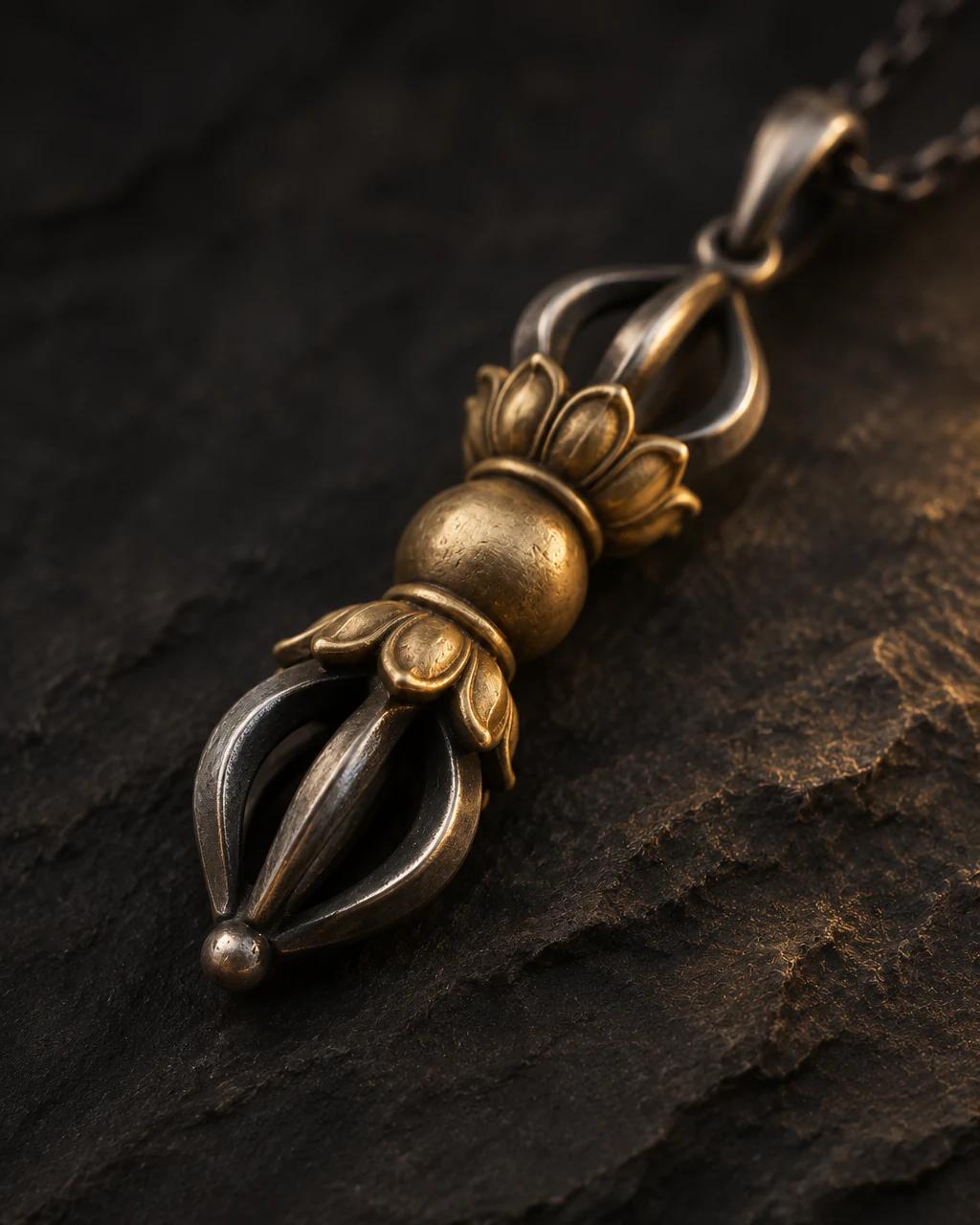
Himalayan
Dorje
Resolve · Clarity · Protection
The ritual thunderbolt of Himalayan Buddhism, held in the hand: unbreakable like a diamond, irresistible like lightning.
Also in the shop
You may also like
Pieces that sit well beside it.
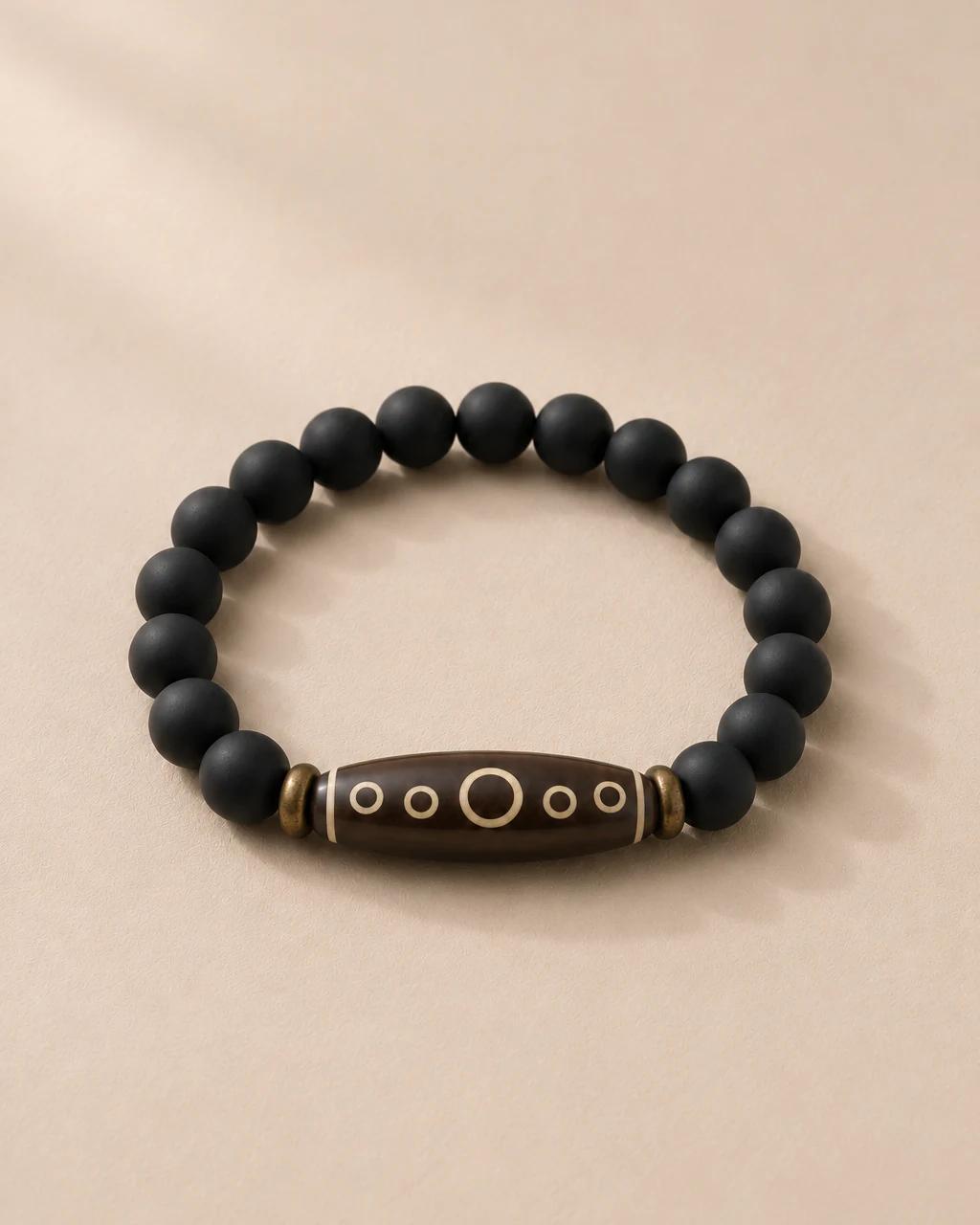
Signature
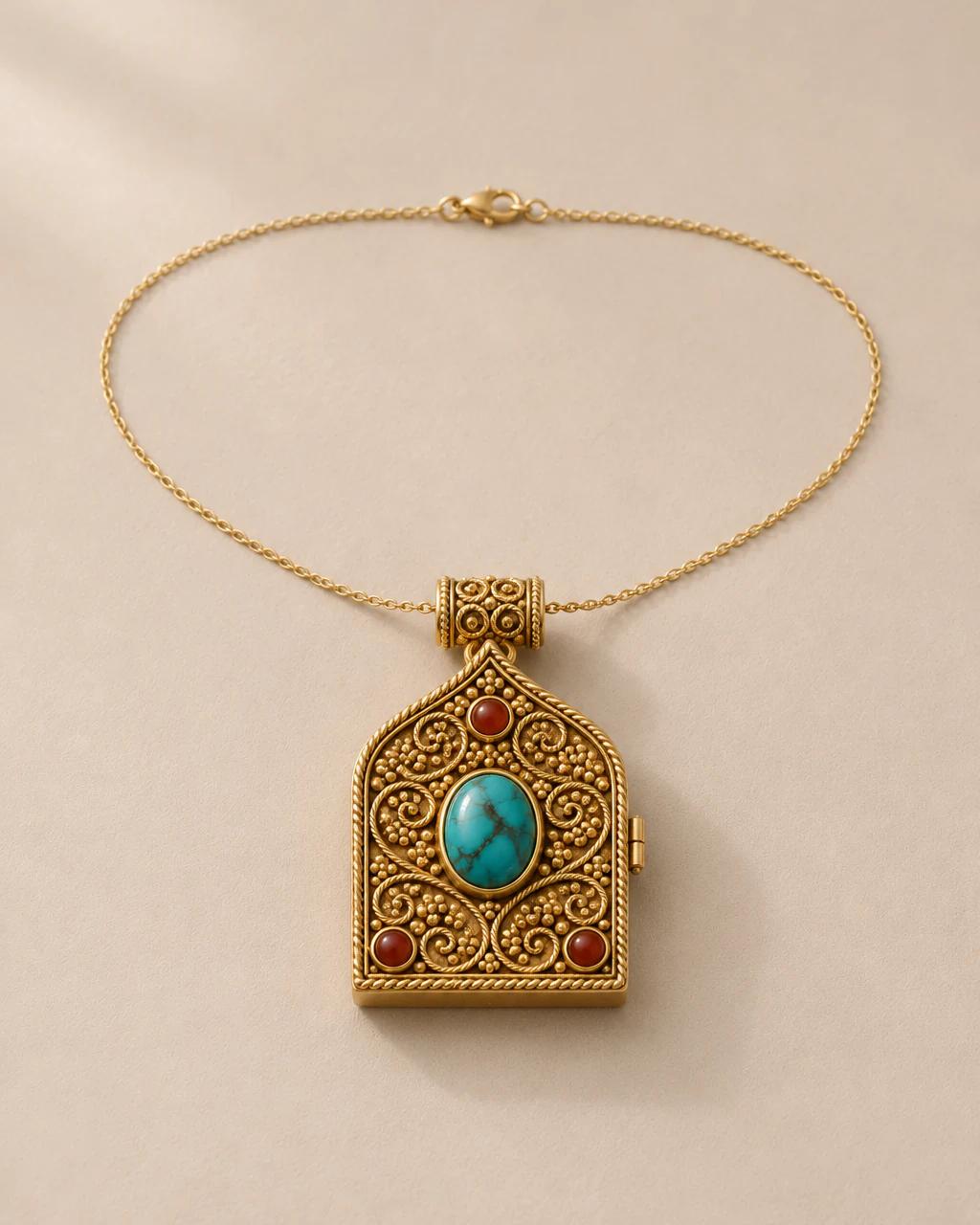
Limited edition
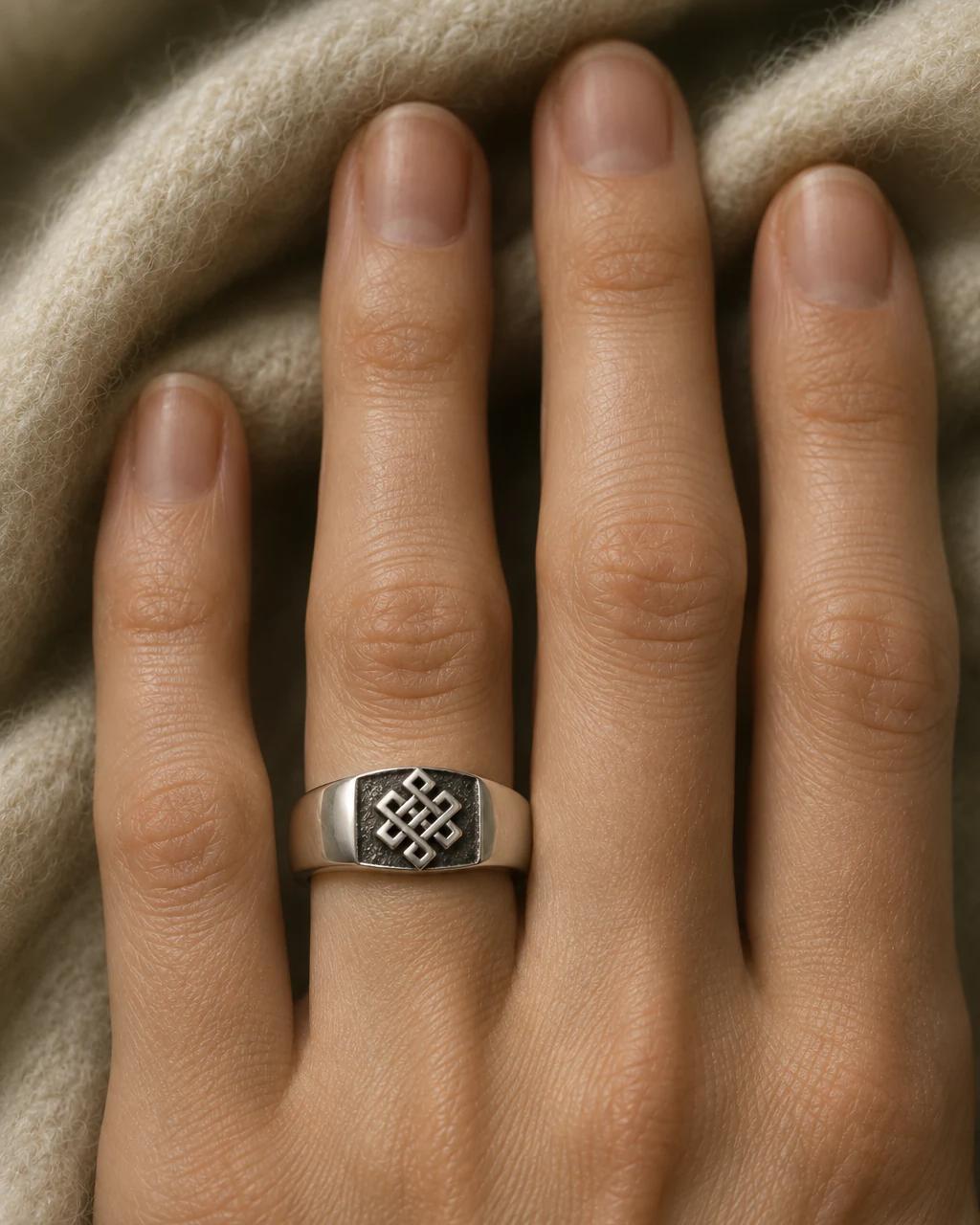
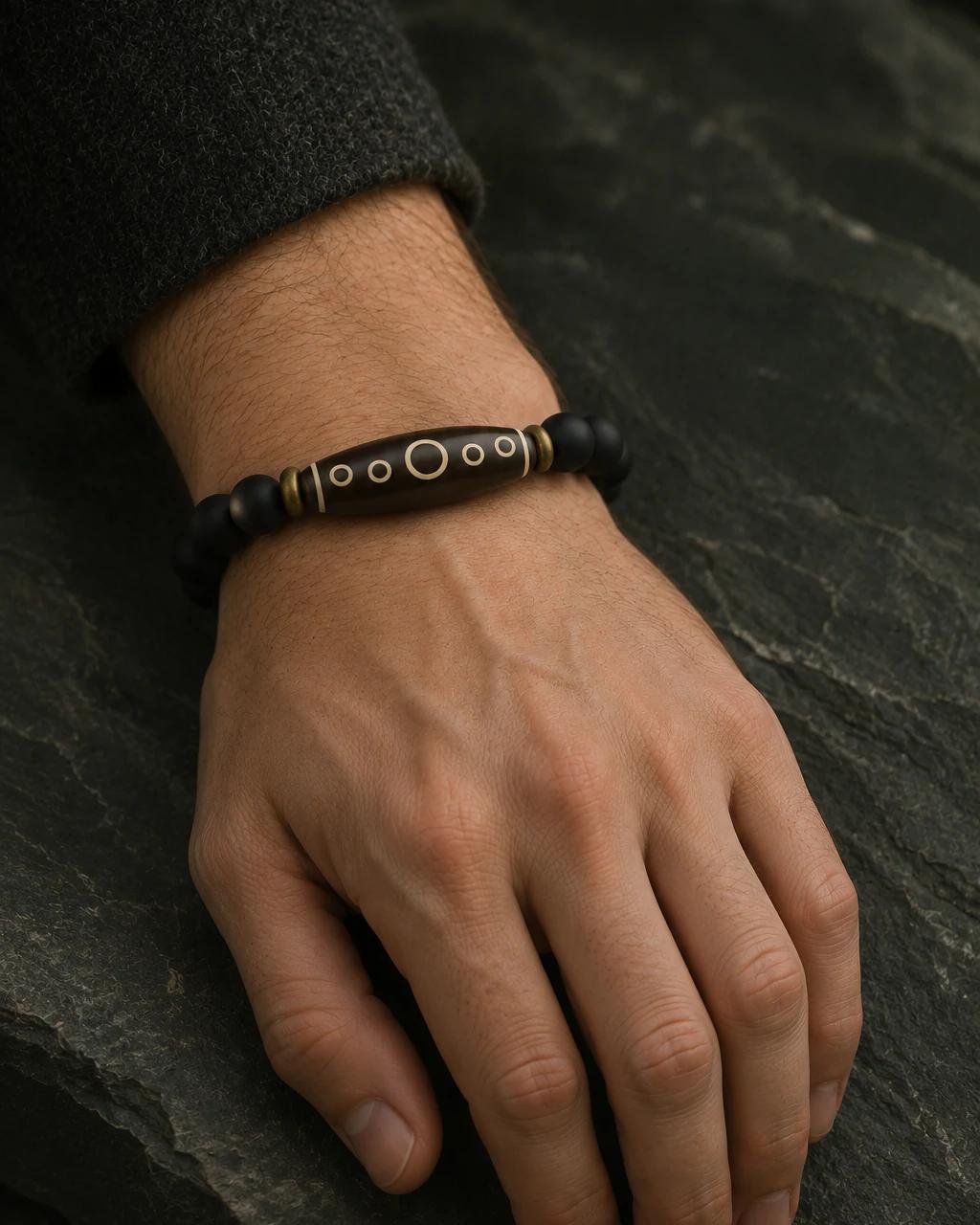
Meaning and tradition
The dorje is a small metal ritual implement held in the hand: a central sphere with a cluster of curved prongs at each end. Dorje is the Tibetan word; the Sanskrit is vajra, which means both thunderbolt and diamond. In the Vedic hymns of ancient India the vajra is the weapon of the storm god Indra. Buddhism made it an emblem and gave its name to Vajrayana, “the diamond vehicle”, the Buddhism of Tibet and the Himalaya.
The two senses of the word explain the symbol. Like a diamond, it stands for what cannot be cut or broken; like a thunderbolt, for a force that cannot be stopped. Together they describe the awakened mind. The sphere at the center stands for emptiness, the ground from which the rest arises. Lotus petals open from it on either side. The prongs, usually five to an end, are commonly read as the five wisdoms, and they close to a point where Indra's weapon is said to have had open tines.
In ritual the dorje is held in the right hand and a bell in the left. The dorje is method, or compassion in action; the bell is wisdom. Neither is used without the other. Many who wear a dorje as a pendant take it as a sign of resolve and a clear mind.
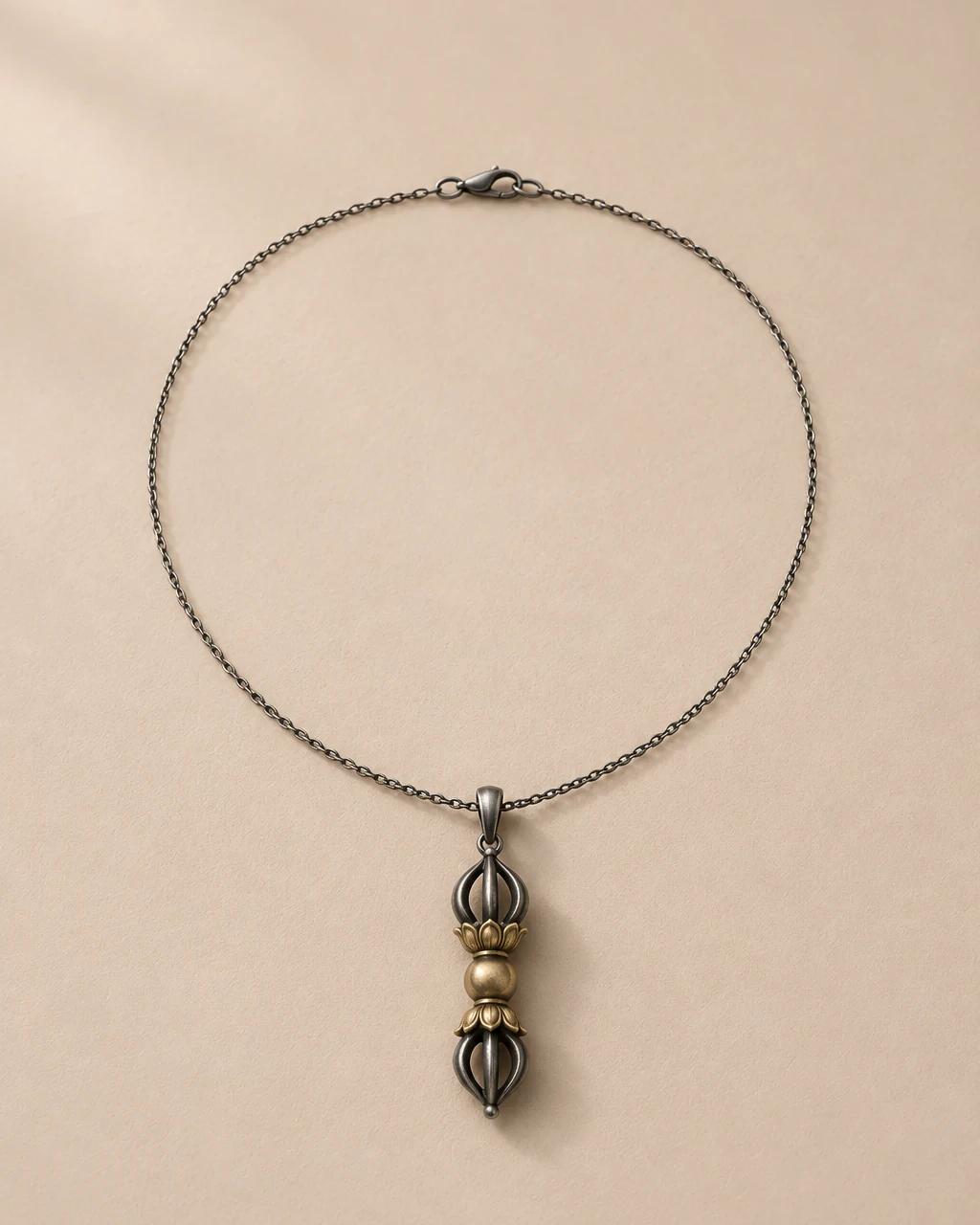
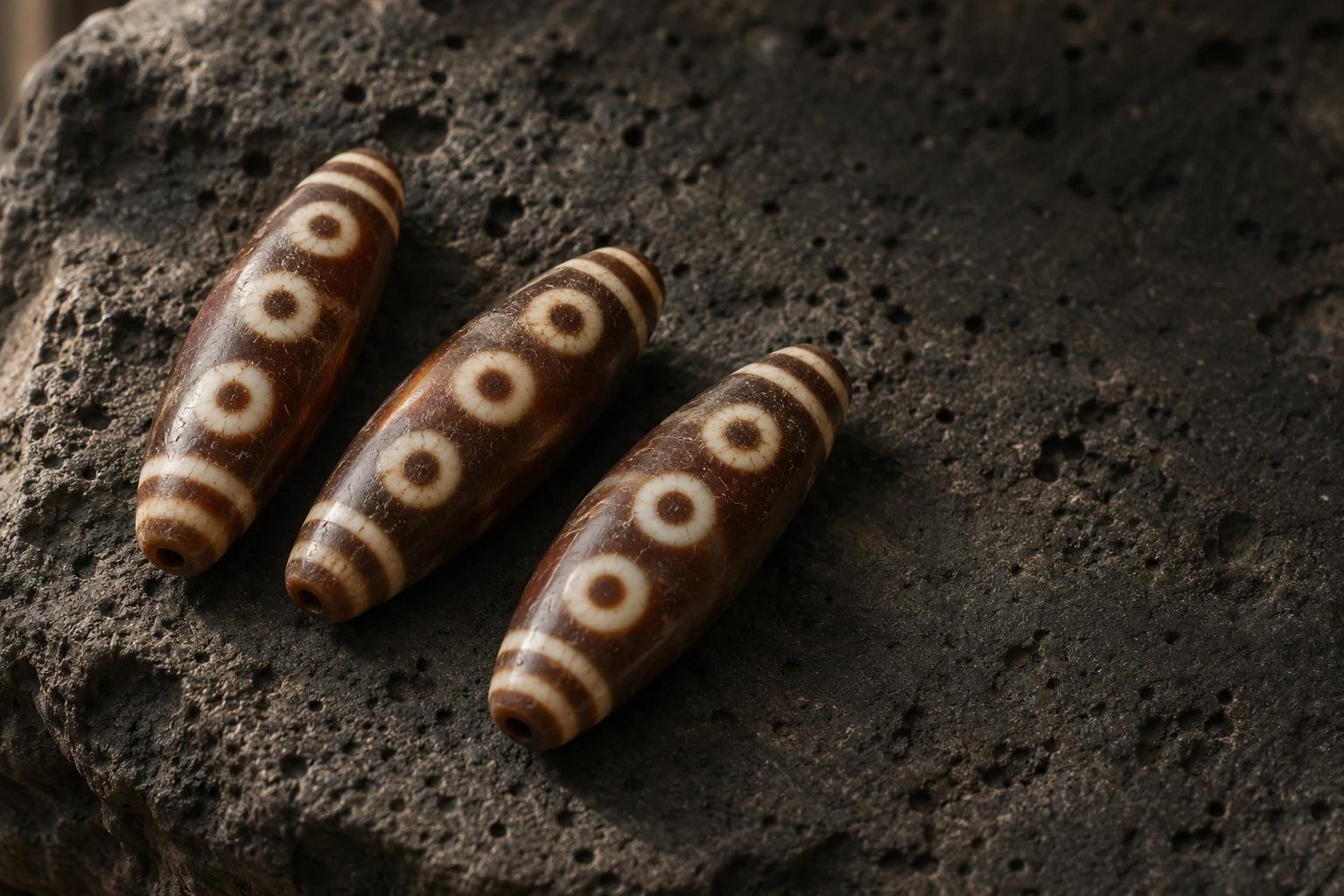
Our Dorje Pendant follows the classical form in oxidized sterling silver: a central sphere, lotus-petal collars and five prongs closing at each end, with brass on the sphere and collars. In the Himalayan collection it sits with the endless knot and the dzi bead.
Also in the shop
You may also like
Signature
Limited edition

From the journal
Further reading
The Himalayan tradition
Related symbols
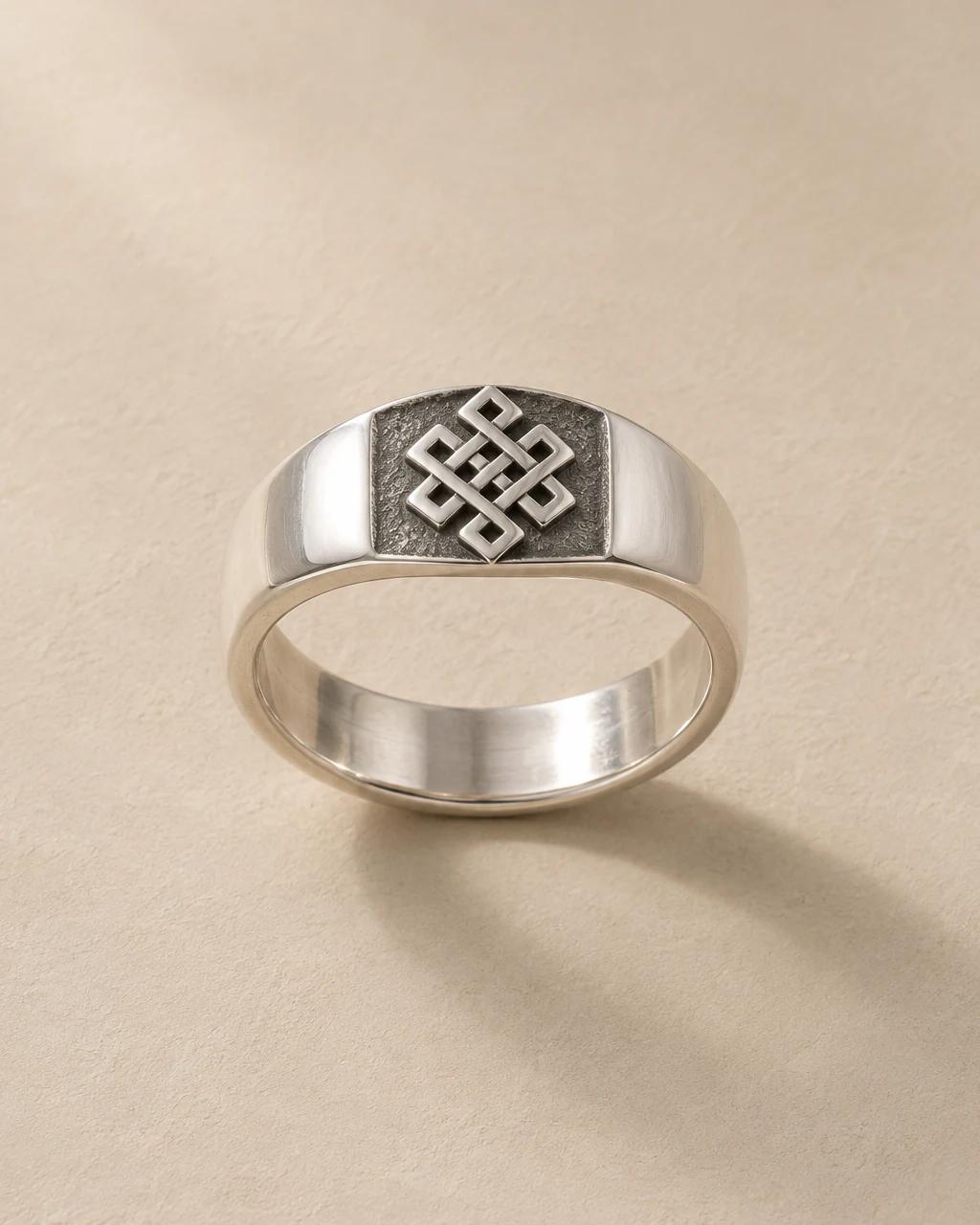
- Endless Knotpalbeu — Tibetan: the endless knot1 piece
- Dzi BeadProtection · Heirloom · Good fortune2 pieces
- Singing BowlStillness · Attention · Beginning1 piece