No. 01 / 18
tàijí
the supreme ultimate
Taoist
Taiji
Balance · Wholeness · Change
The circle of yin and yang: two forces that oppose, contain and continually become one another.
Signature
Signature
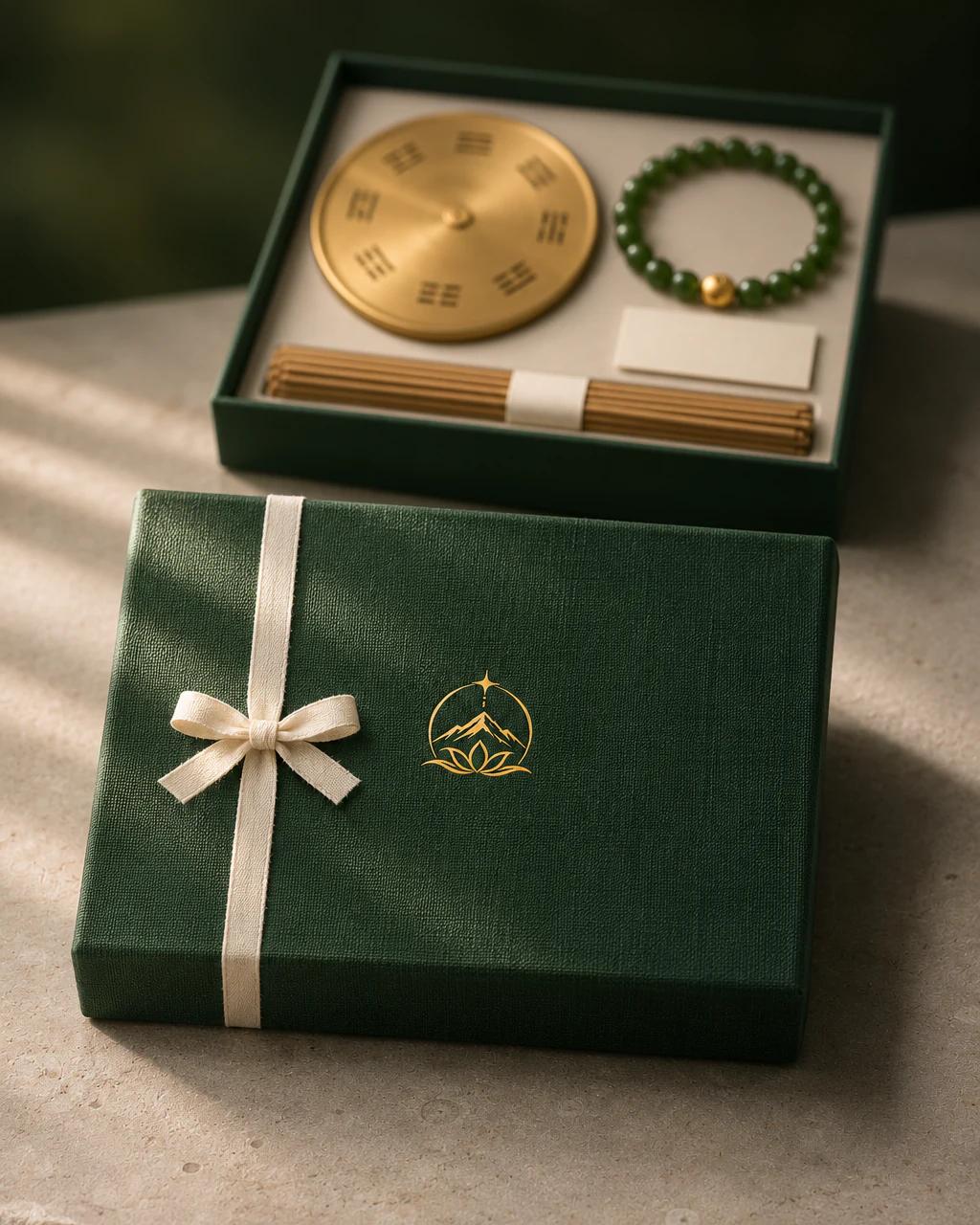
Meaning and tradition
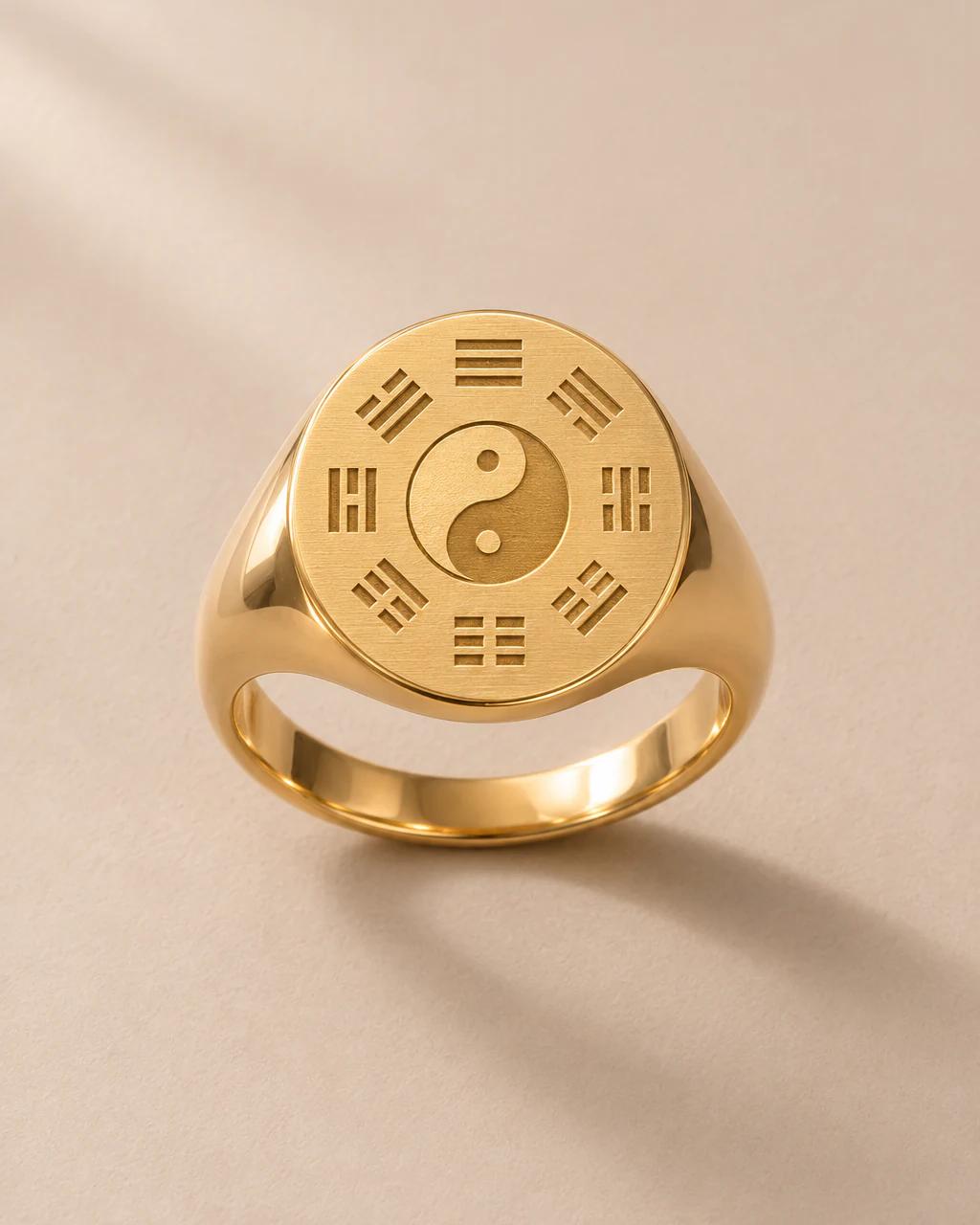
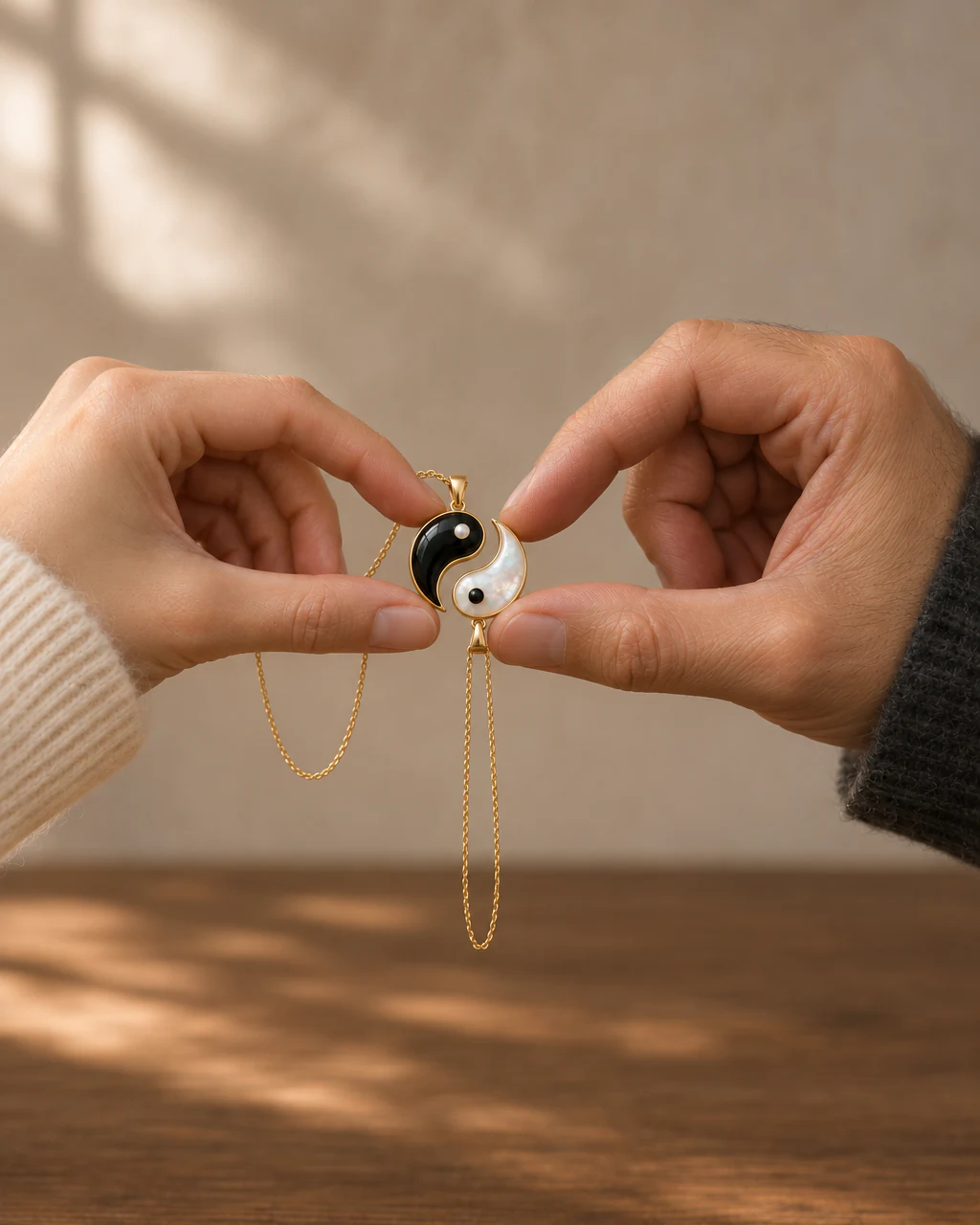
The taiji is the circle of two interlocking halves, one dark and one light, known in the West as the yin-yang symbol. The term tàijí, “the supreme ultimate”, comes from the Great Commentary to the Book of Changes, which names it as the source of the two forces. The words yin and yang are older still. They first meant the shaded and the sunlit side of a hill.
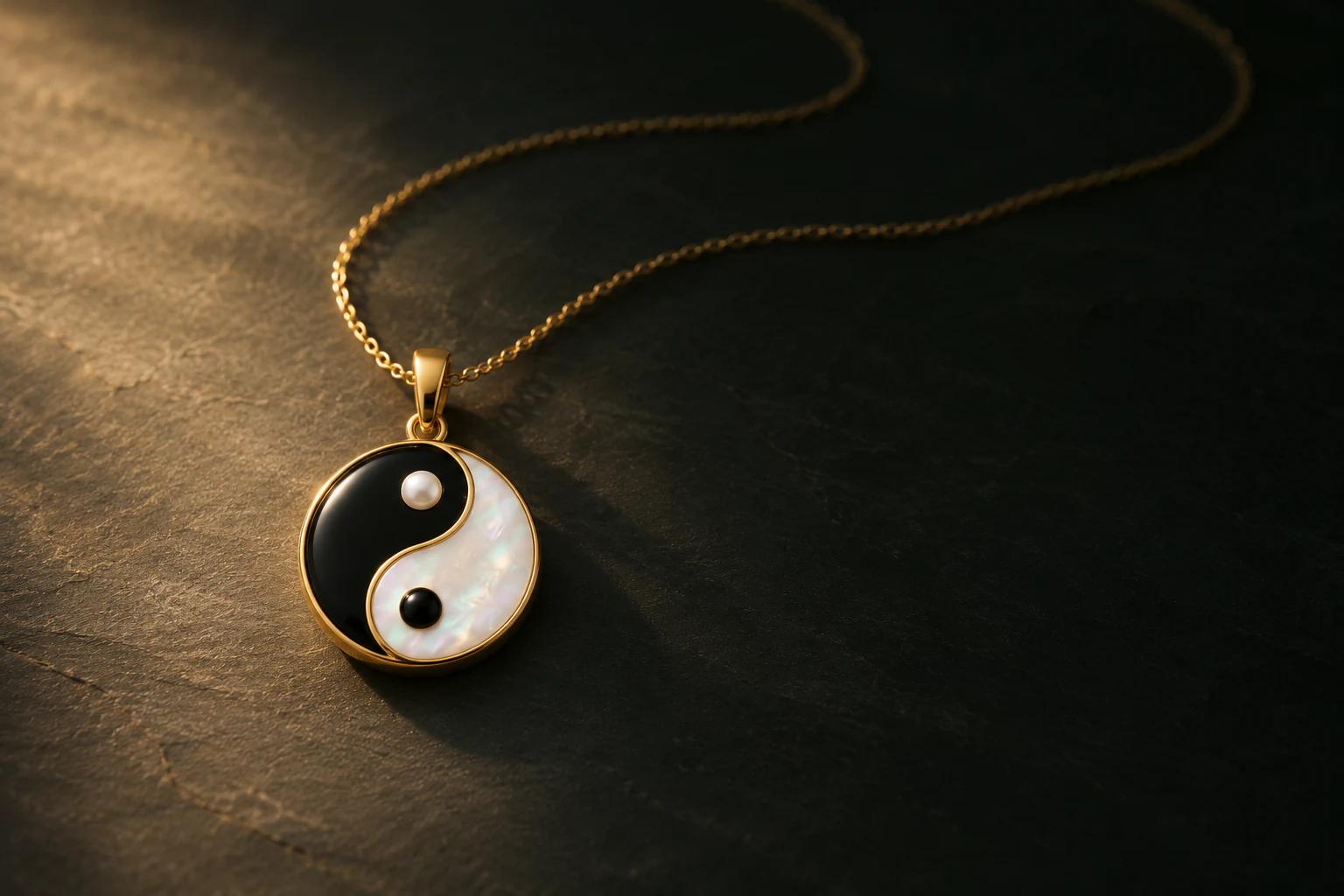
The diagram is younger than the idea. Song-dynasty philosophers drew the supreme ultimate as a chart in the eleventh century, and the swirling circle familiar today settled into its form in the centuries after. The dark half is yin: shade, cold, rest, the moon. The light half is yang: sun, warmth, movement. The curve between them shows that neither holds still; each grows until it turns into the other. The dot in each half is the seed of its opposite, present even at the height of its strength.
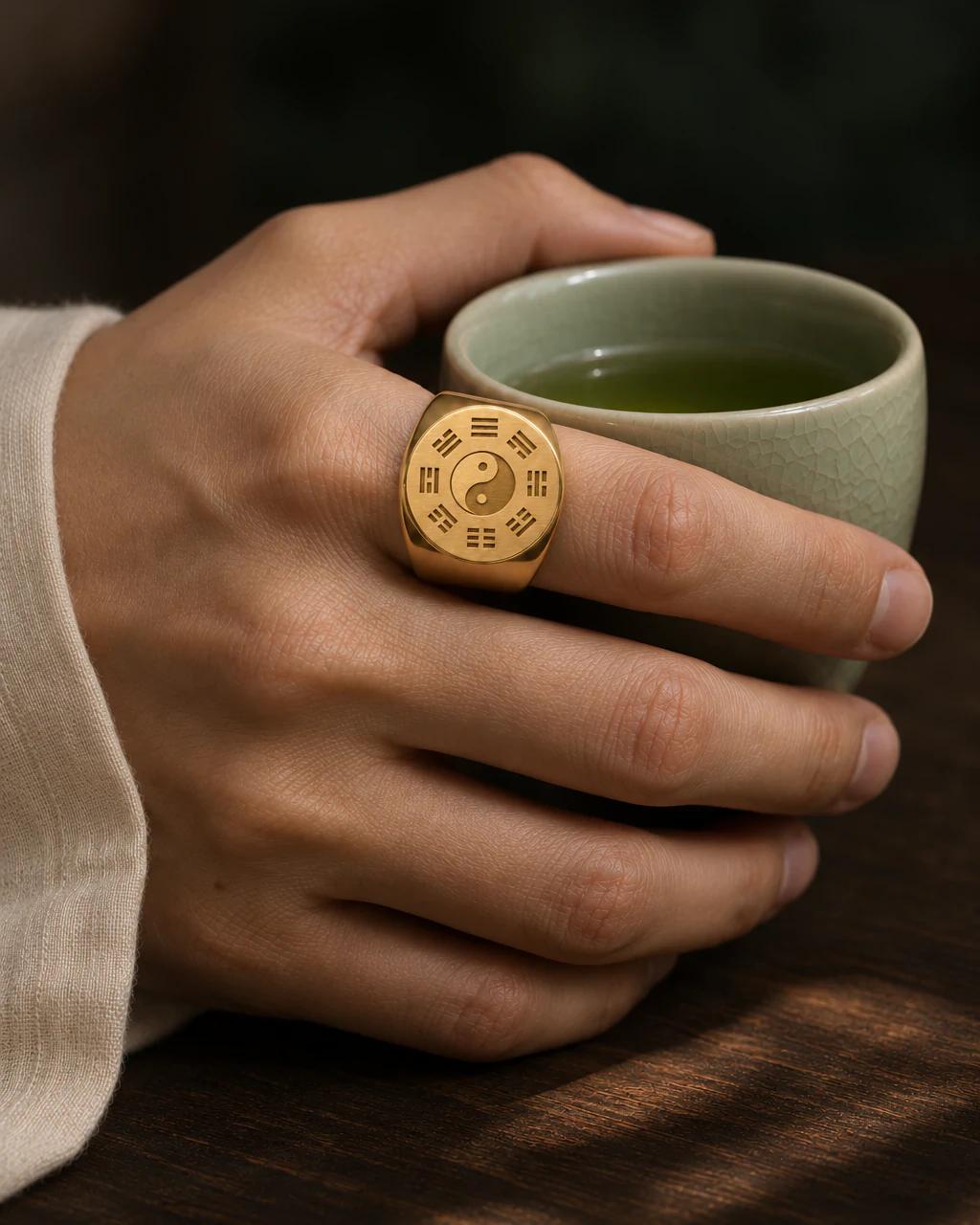
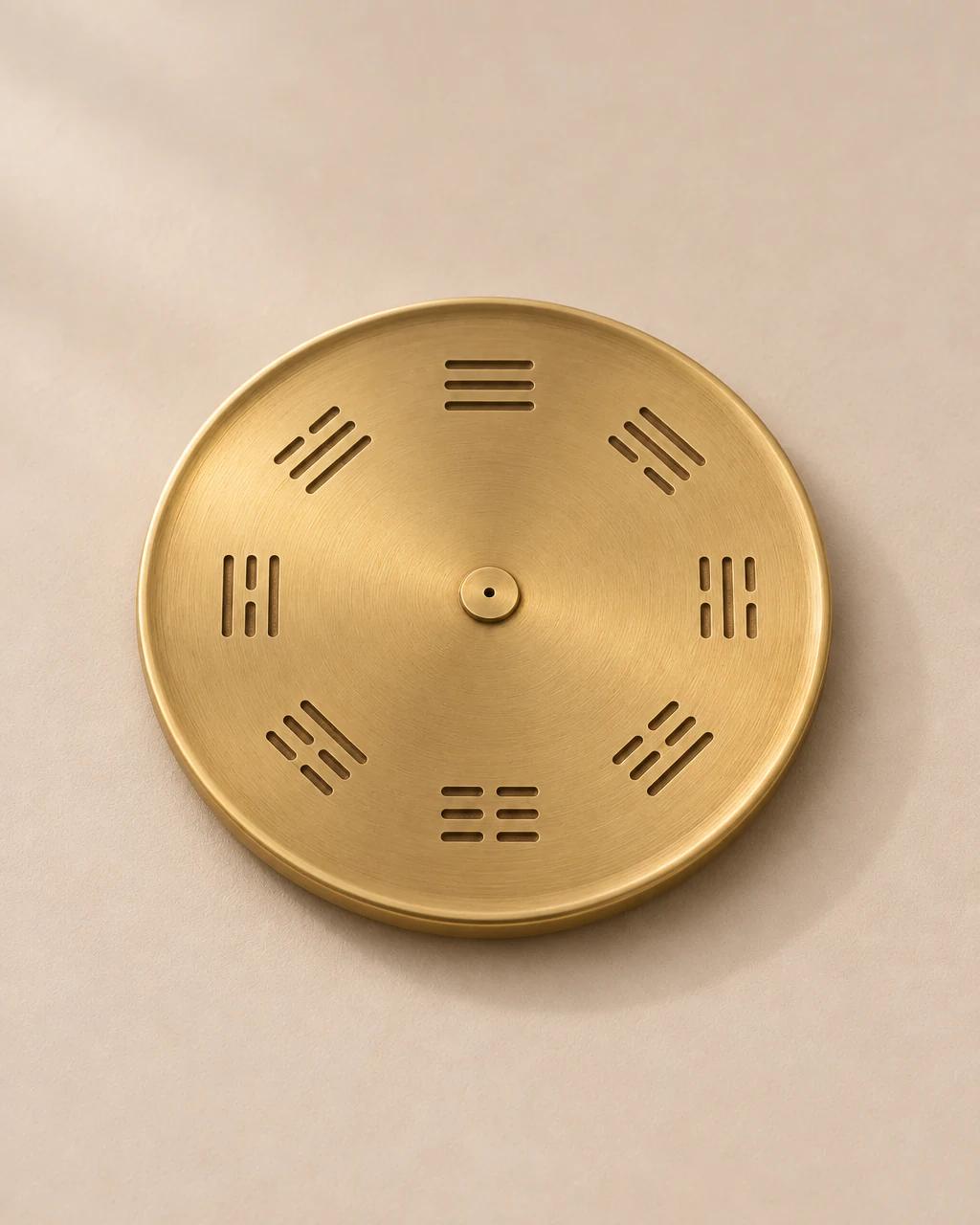
The taiji is painted on Taoist temples and embroidered on priests' robes. It gives its name to taijiquan, the slow martial art known abroad as tai chi, and it sits at the center of the bagua, the ring of eight trigrams. Worn as jewelry, it is less a charm than a reminder that a hard season already holds the start of an easier one.
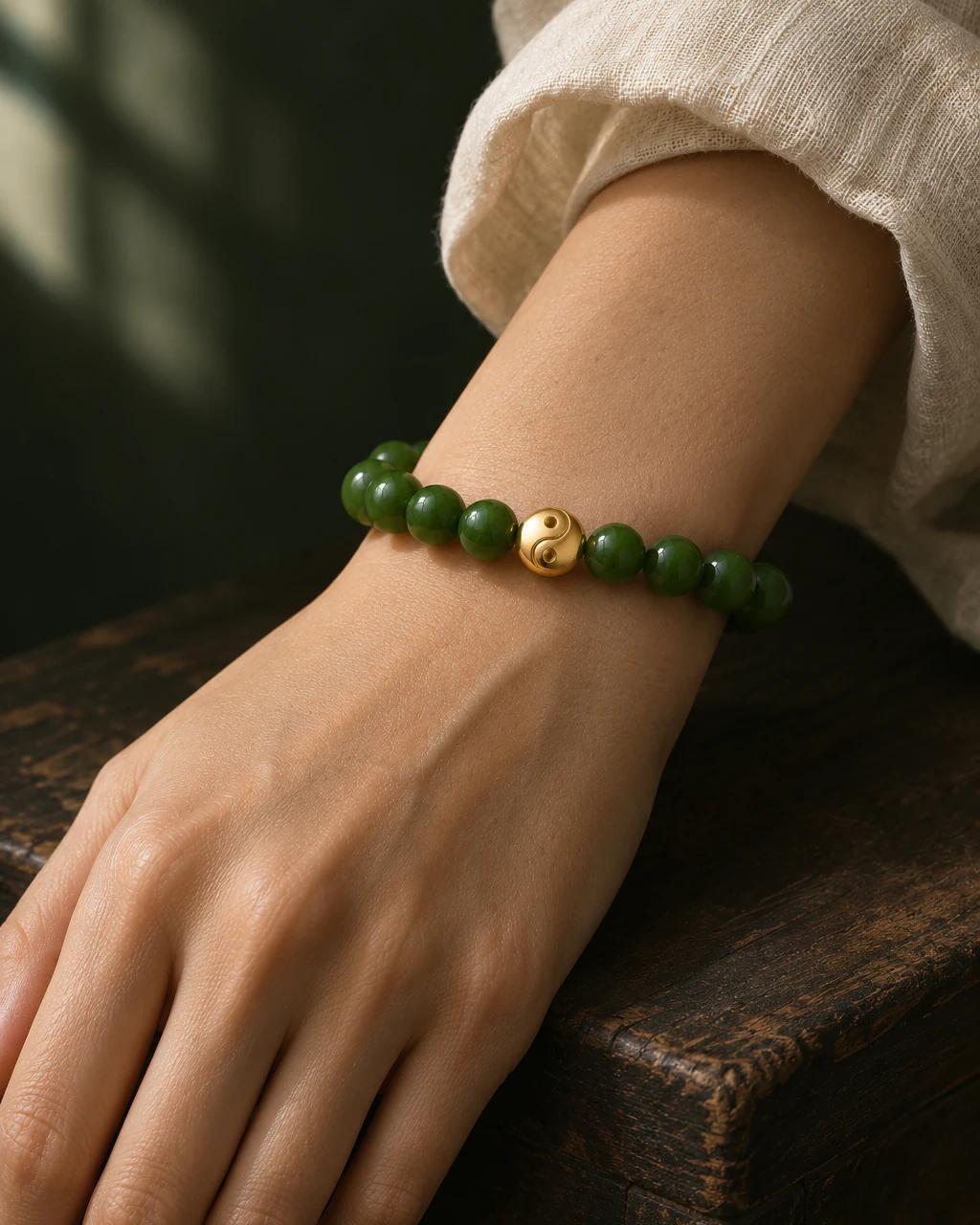
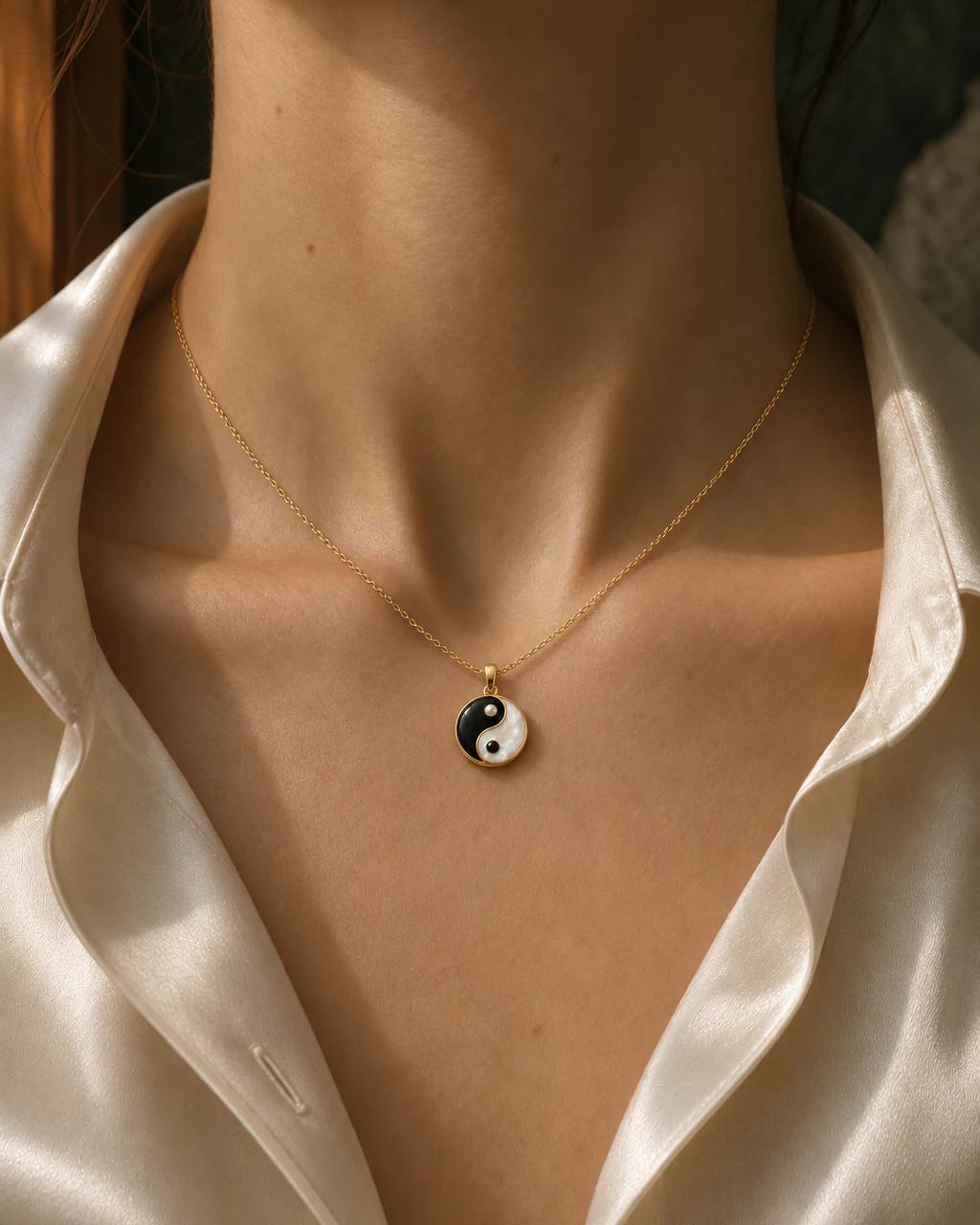
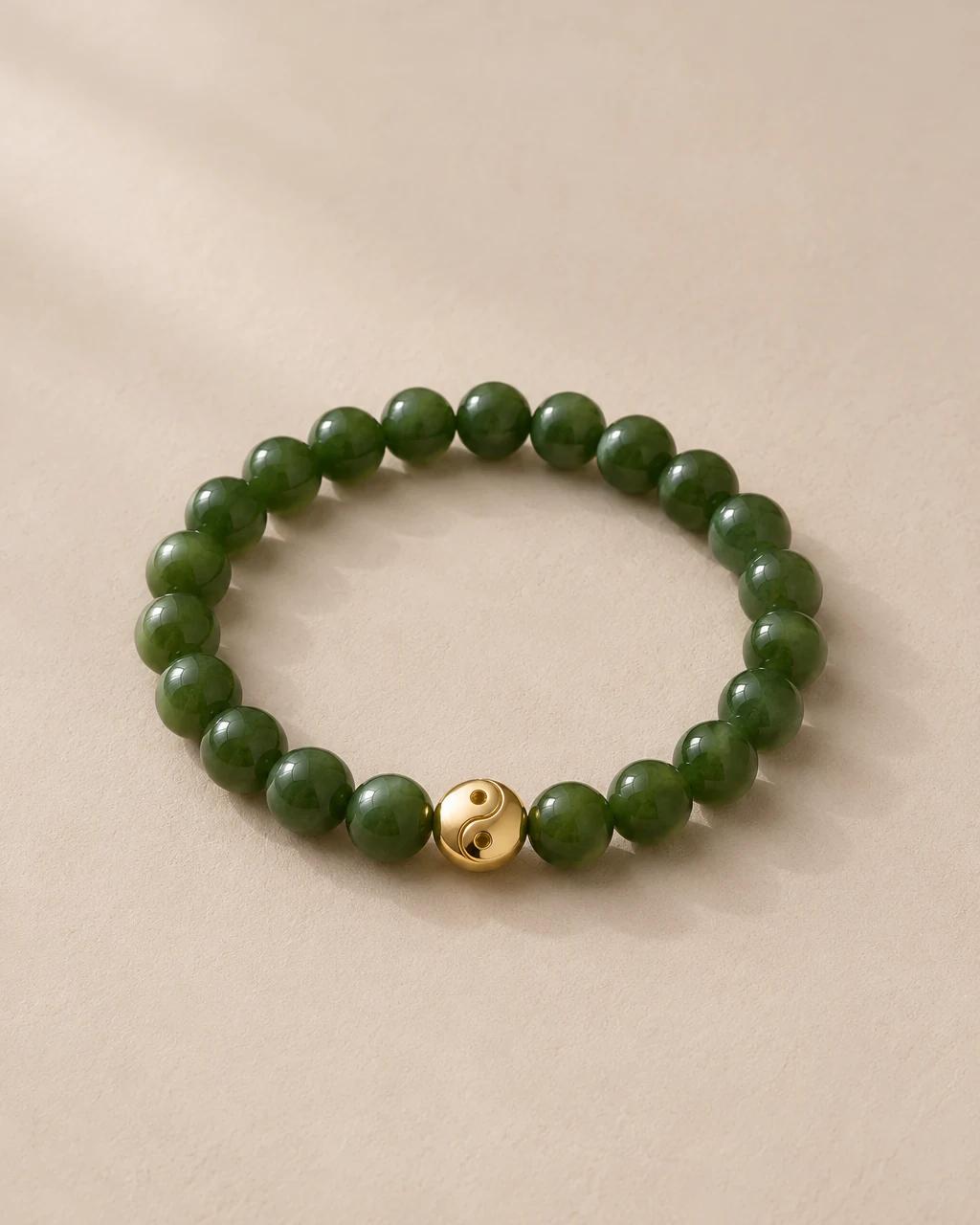
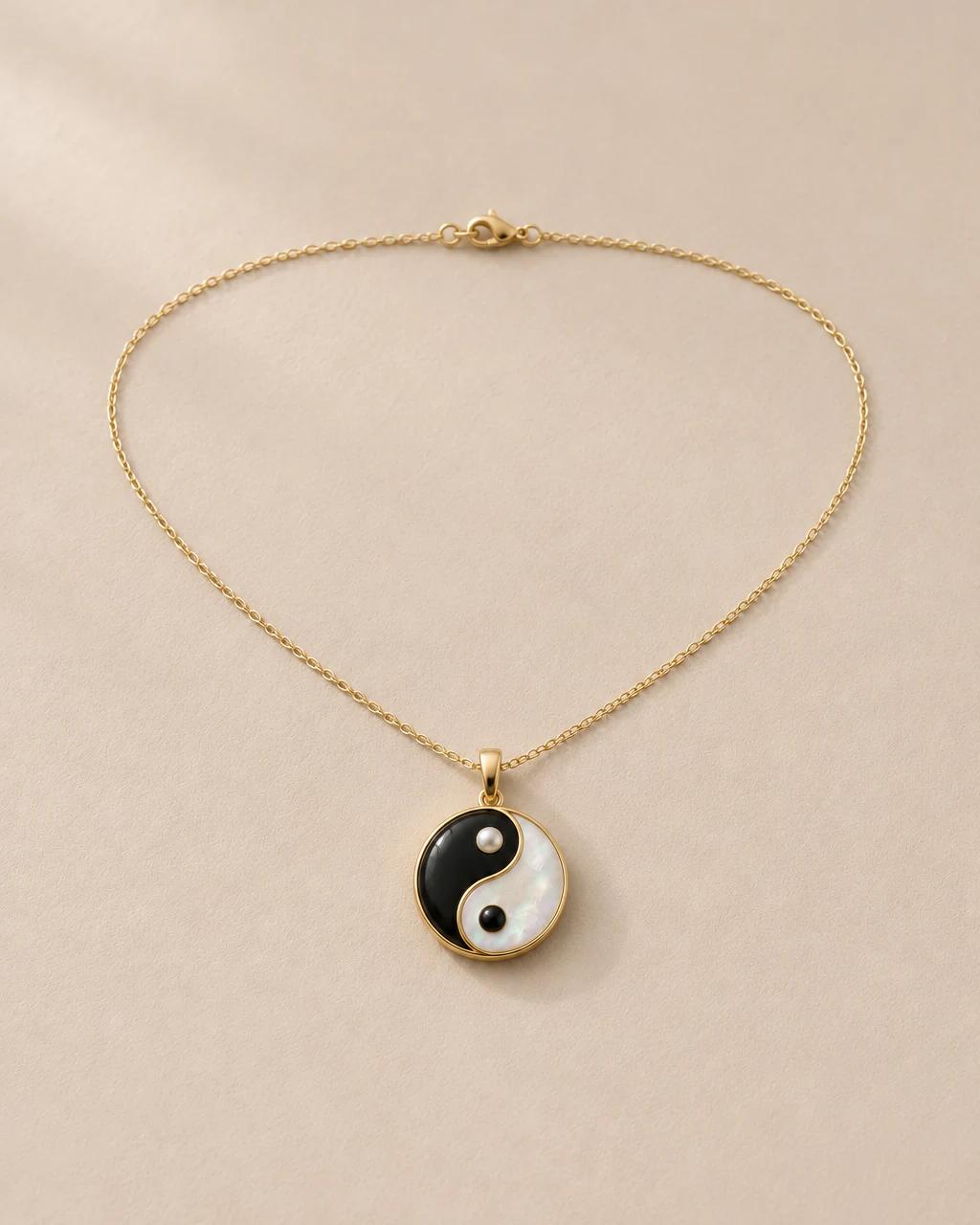
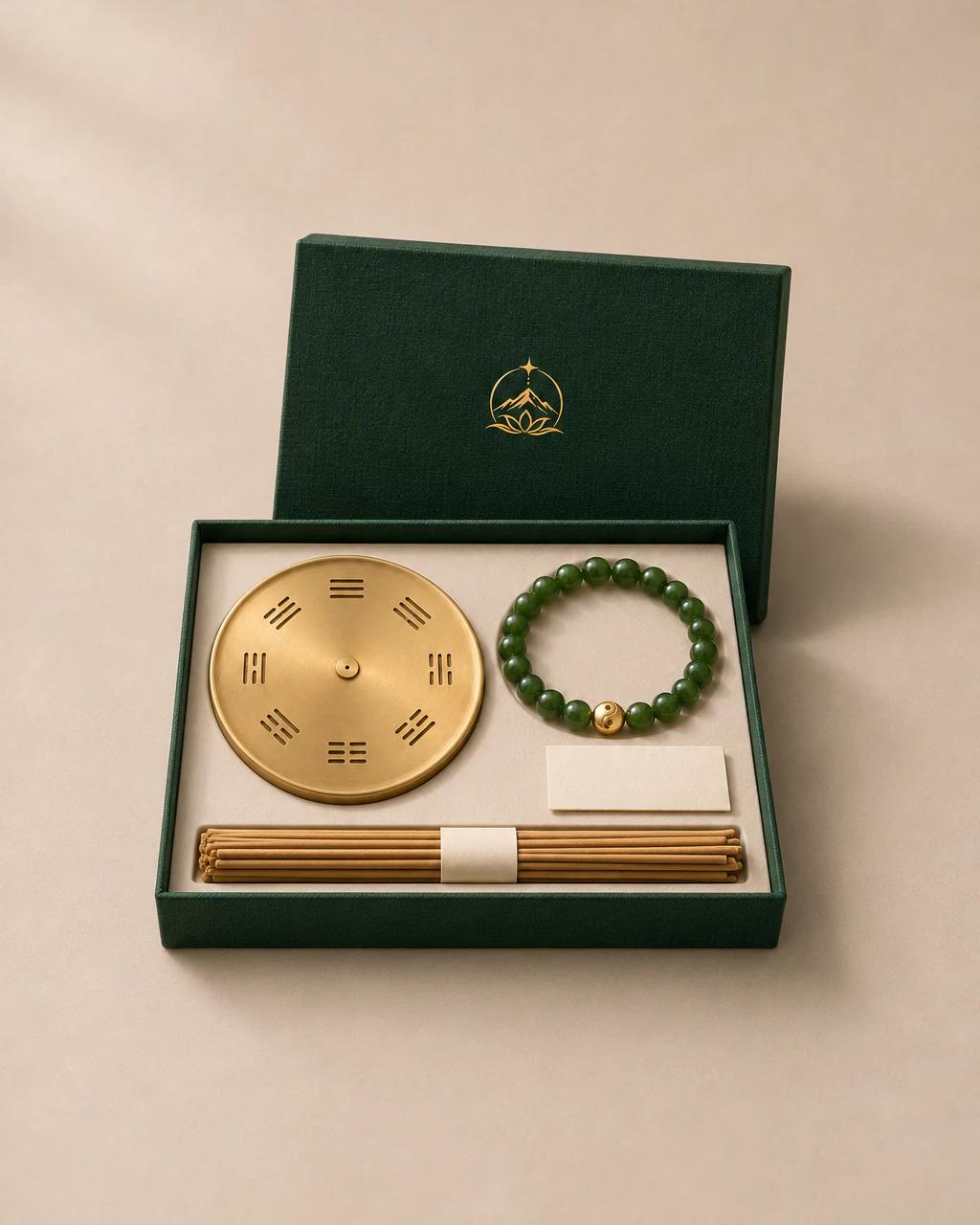
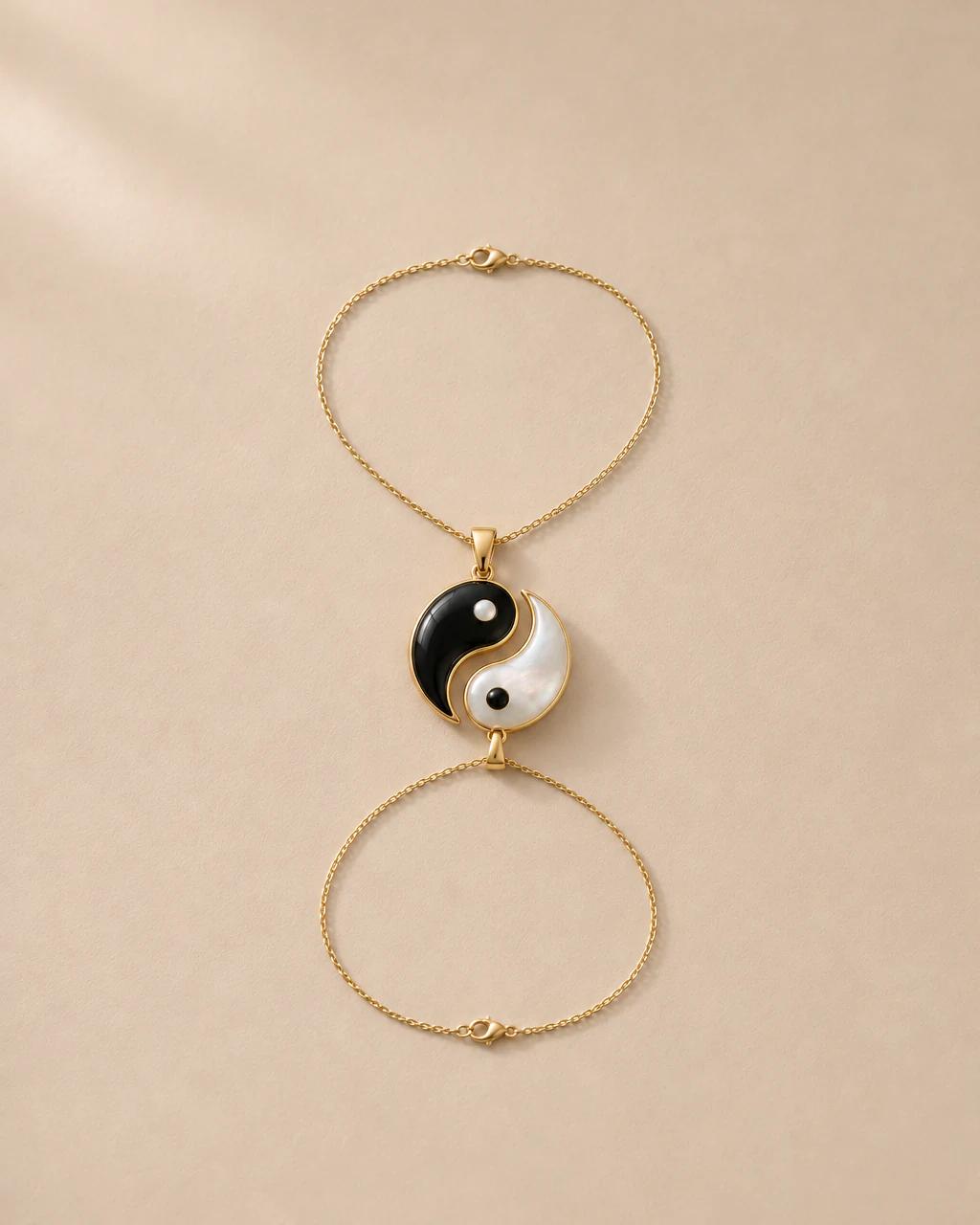
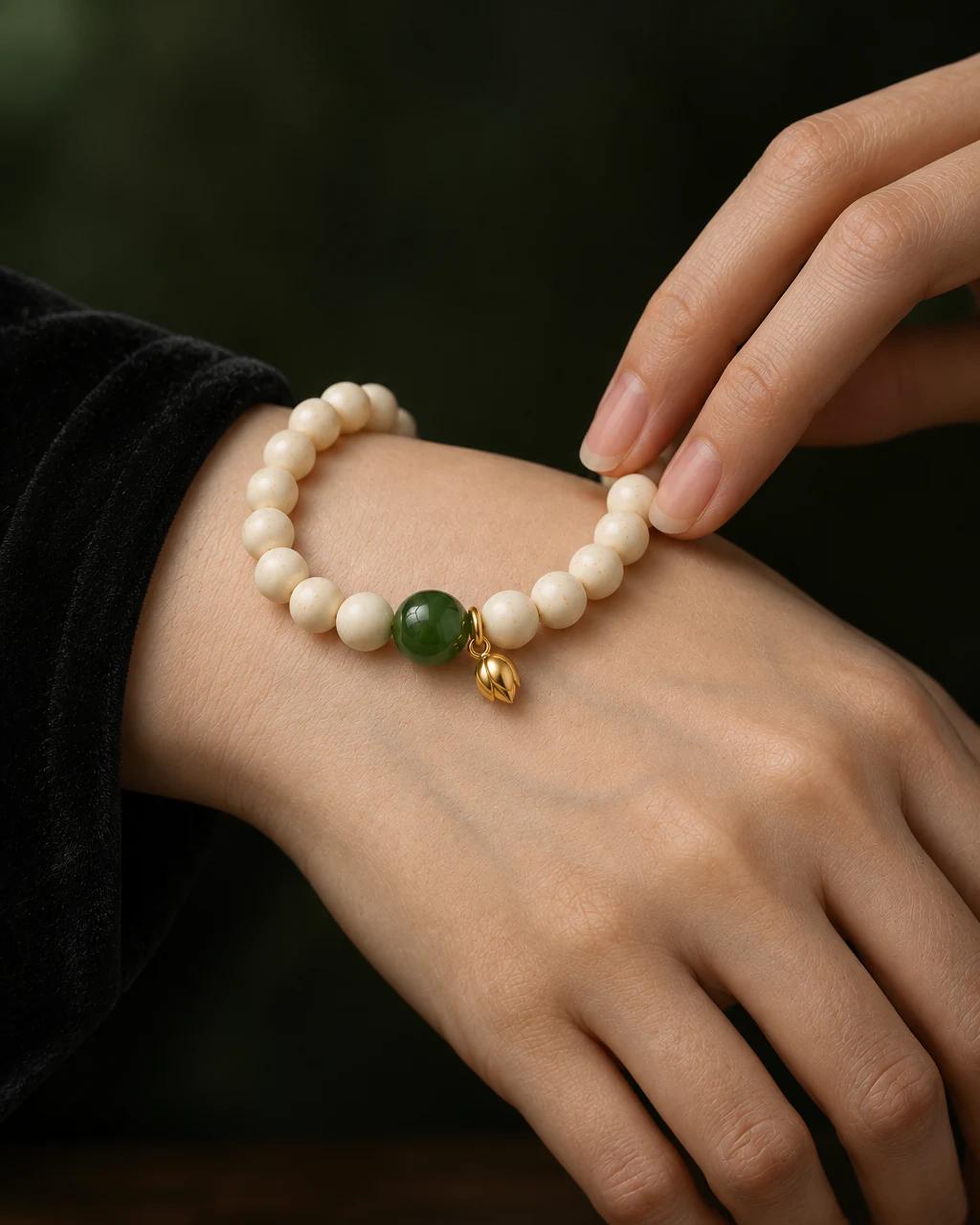
Our Taiji Inlay Pendant sets the two halves in black onyx and white mother-of-pearl, divided by a fine gold line, each with its dot of the other. The Jade Taiji Bracelet carries a single gold taiji bead on a strand of green nephrite.
Also in the shop
You may also like
New
From the journal
Further reading
- Symbols · 6 min readYin and yang: what the taiji actually meansYin and yang began as the shaded and sunlit sides of a hill. Where the taiji diagram comes from, how to read its parts, and why it does not mean good against evil.
- Guides · 6 min readHow to choose a piece by intentionSeven intentions, the symbols and stones that tradition attaches to each, and a piece or two to start with. A plain guide to choosing jewelry for what it stands for.
The Taoist tradition