No. 04 / 18
padma
Sanskrit: the lotus
Buddhist
Lotus
Purity · Awakening · Integrity
The flower that rises unstained from muddy water — the classic image of a mind that has woken up.
Signature
New
Meaning and tradition
The lotus, Nelumbo nucifera, is a water plant of Asian ponds and slow rivers. It roots in mud, sends its stalk up through the water and opens its flower in clear air above the surface. It was sacred in India before Buddhism and became the central flower of the Buddhist world, where buddhas and bodhisattvas are shown seated on lotus thrones and one of the best-known scriptures is the Lotus Sutra.
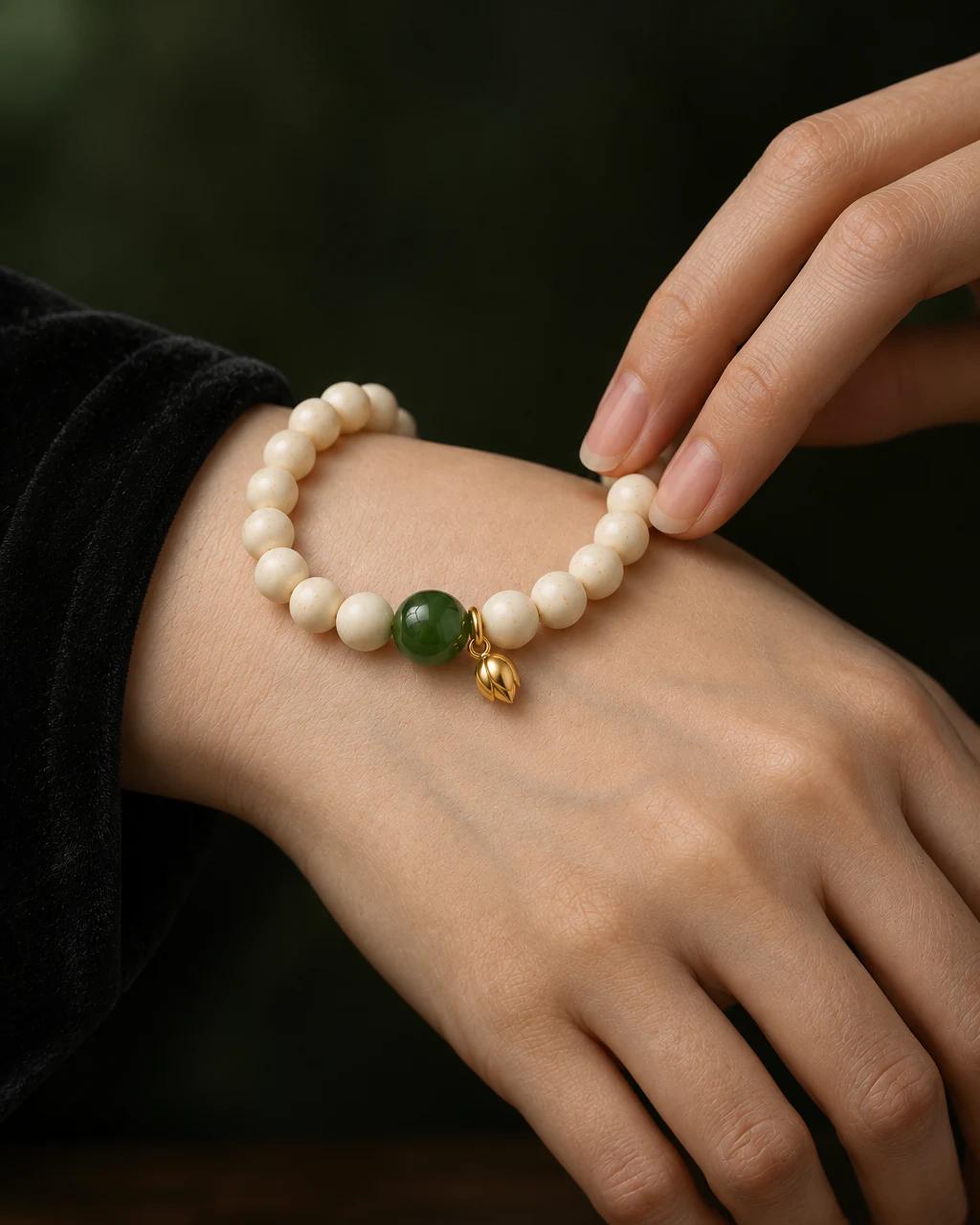
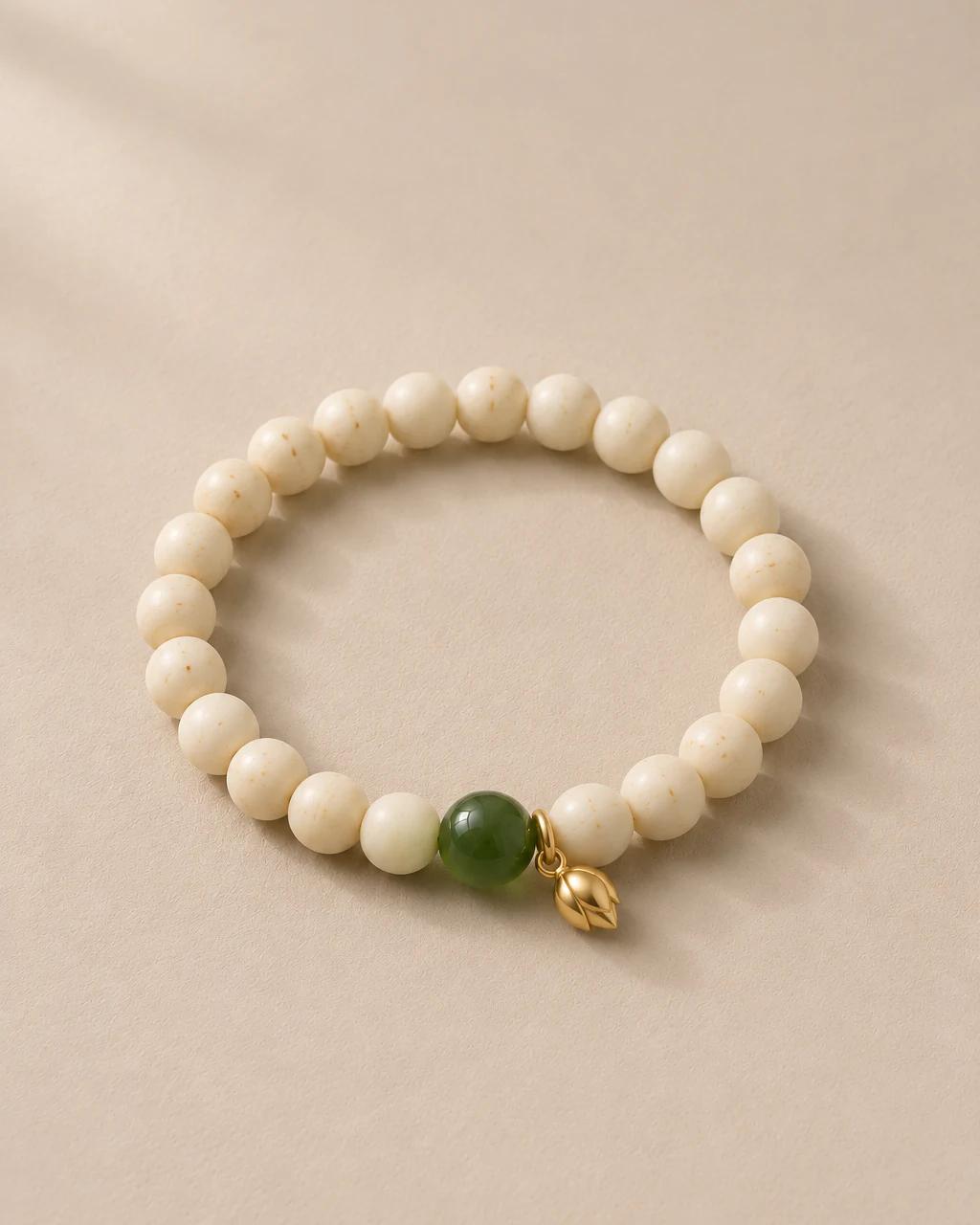
Its meaning follows its habit of growth. In an early discourse the Buddha compares himself to a lotus that is born in the water, rises above it and stands unstained. The mud is the ordinary world, the stalk is practice and the open flower is an awakened mind; a bud is a mind not yet opened. In China the image was taken up beyond Buddhism. The Song scholar Zhou Dunyi called the lotus the gentleman among flowers because it “comes out of the mud unstained”.
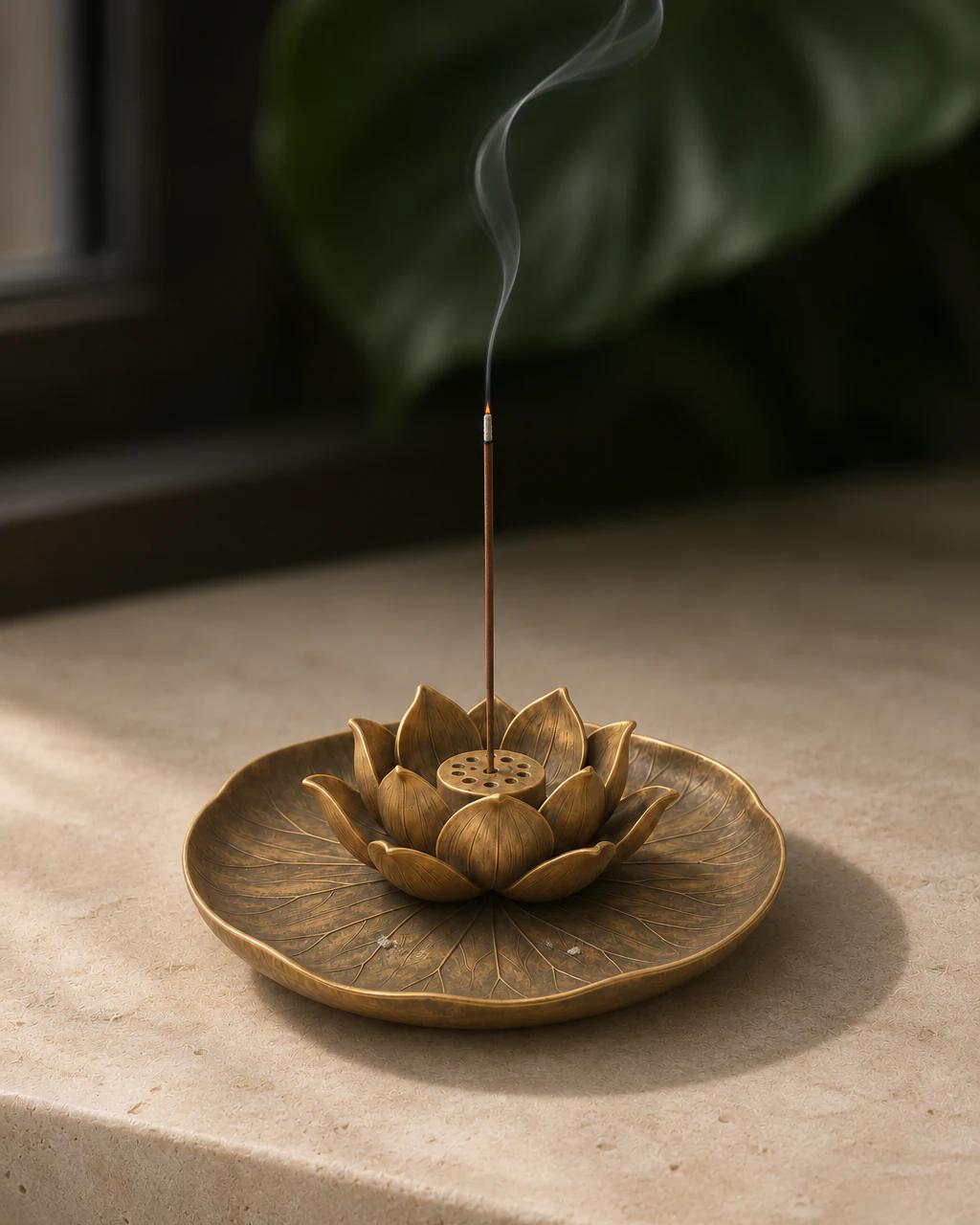
Lotus flowers are offered at Buddhist altars, and the cross-legged posture of meditation is named for them. The lotus is one of the Eight Auspicious Symbols of Buddhism, alongside the endless knot. In Chinese custom its name, lián, sounds like the word for “one after another”, so lotus seeds are given at weddings as a wish for children. Many people wear a lotus to mark a new start after a difficult period.
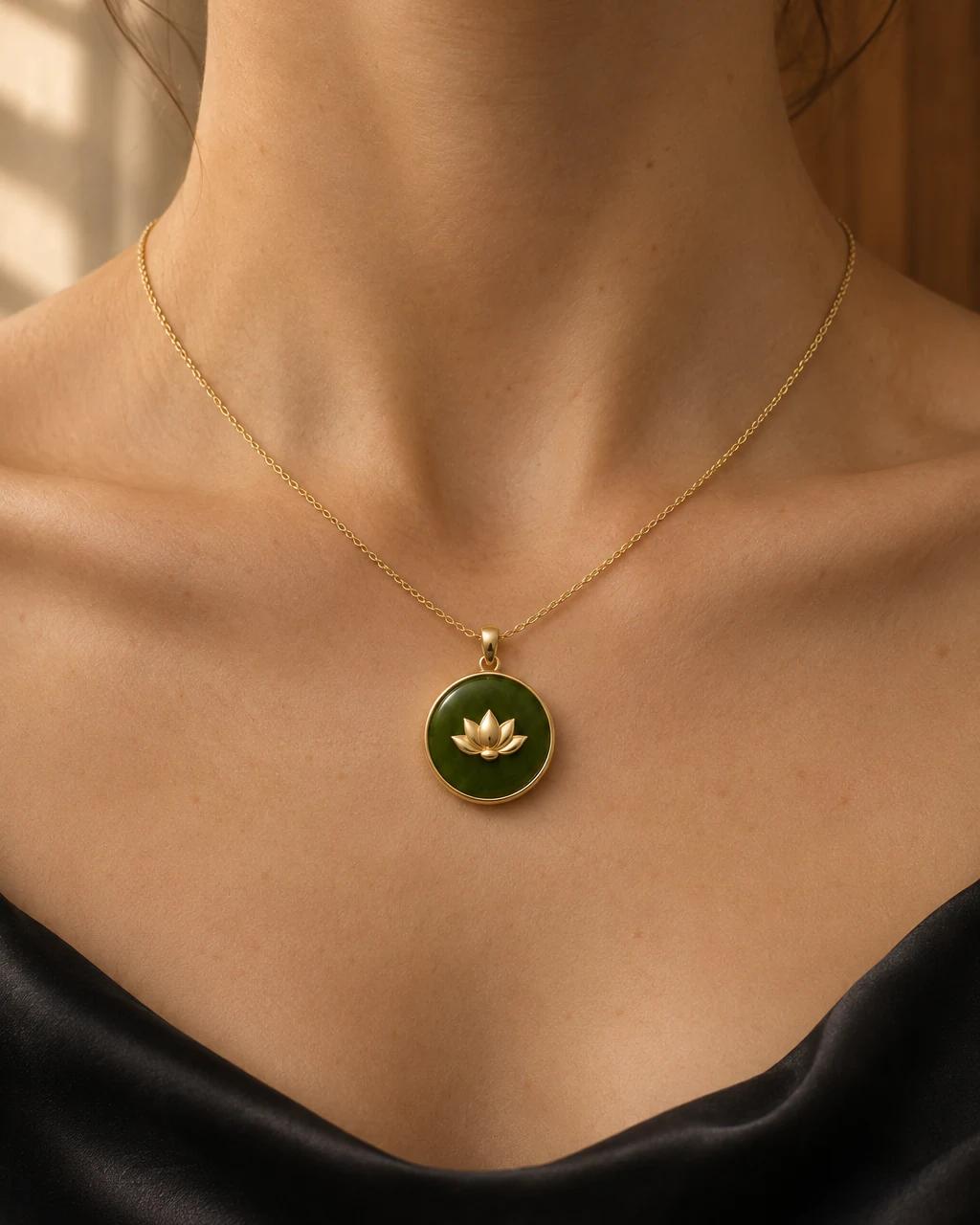
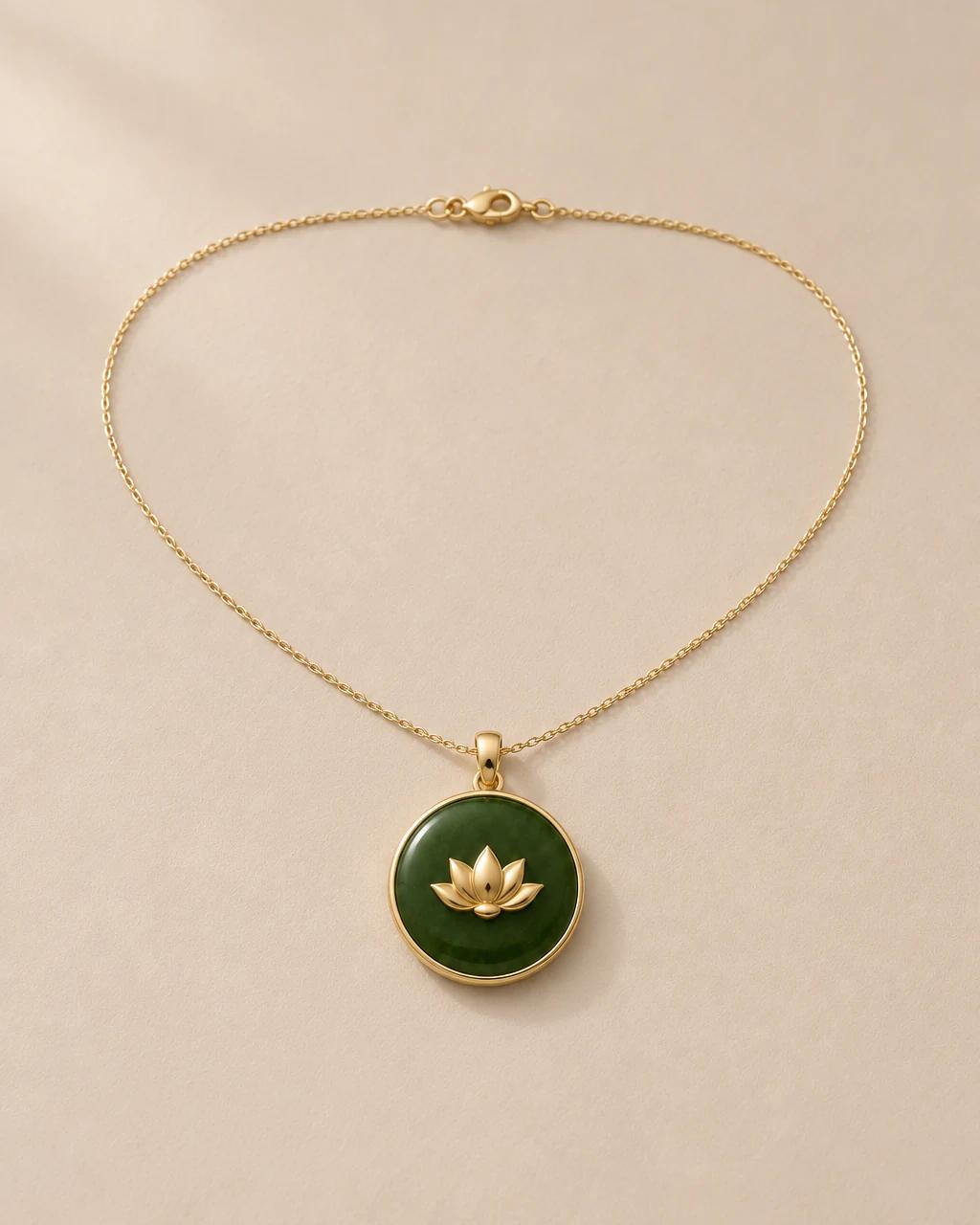
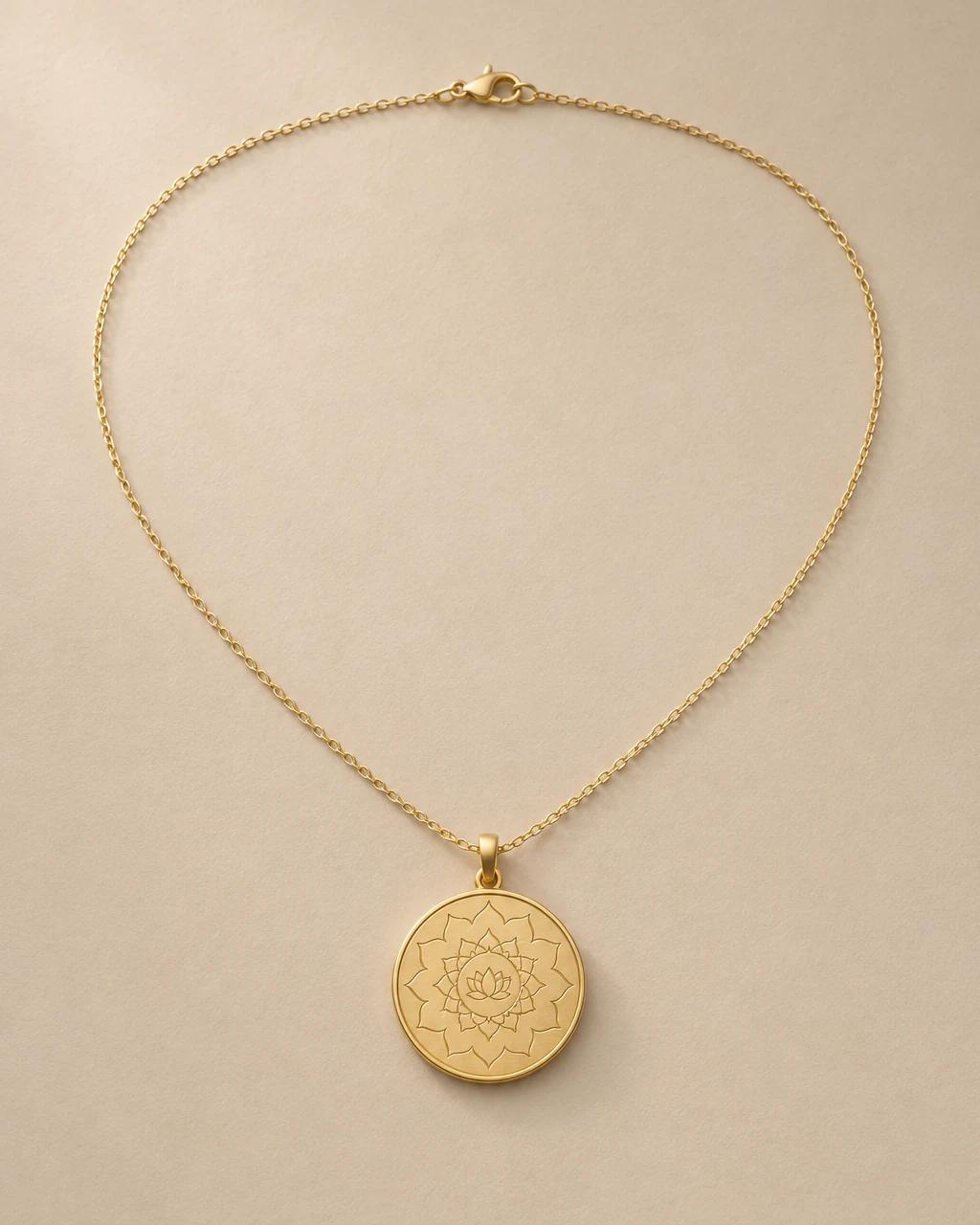
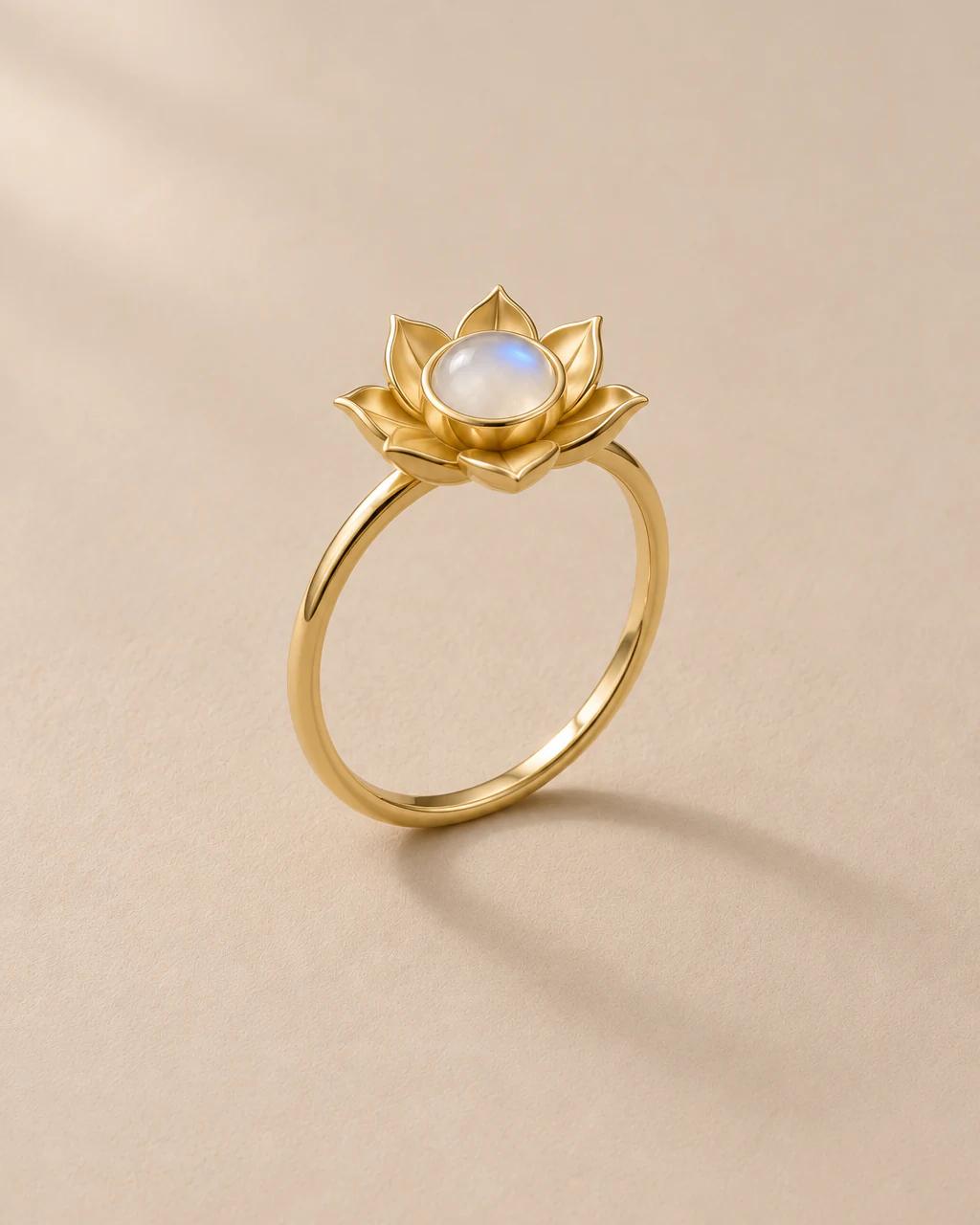
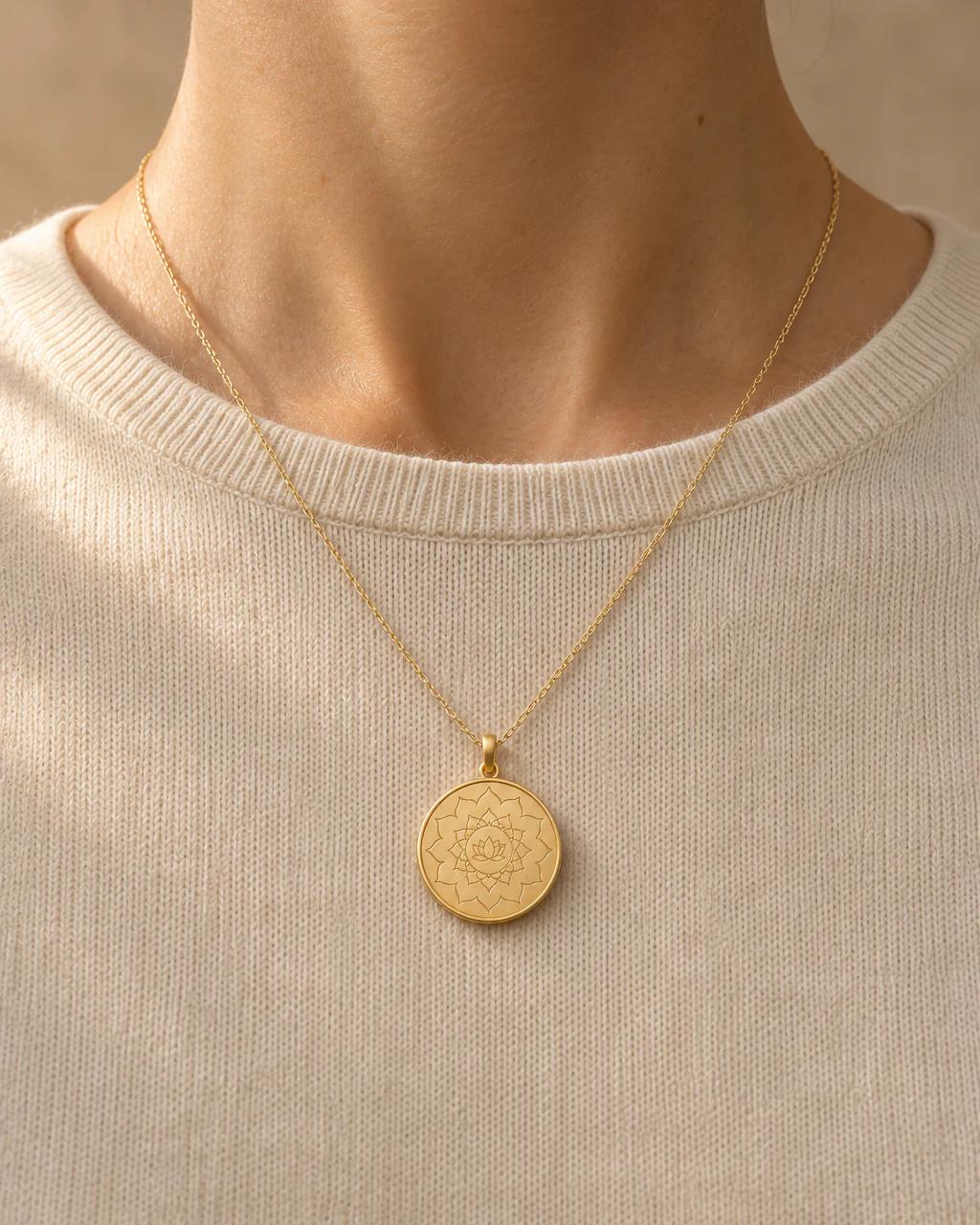
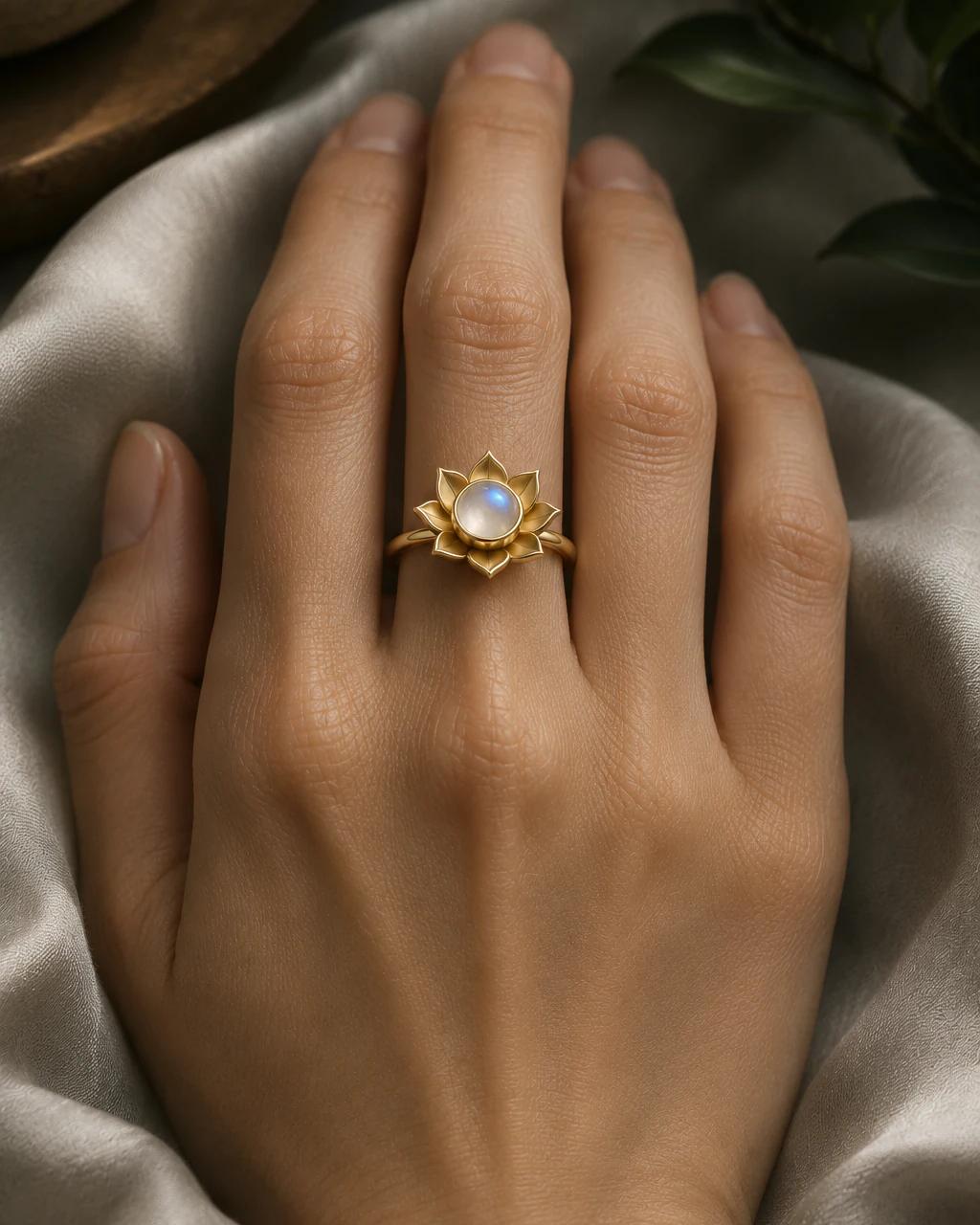
Our Lotus Jade Pendant raises a gold blossom on a disc of dark green nephrite. The Lotus Bloom Ring opens a gold band into two layers of petals around a moonstone.
Also in the shop
You may also like
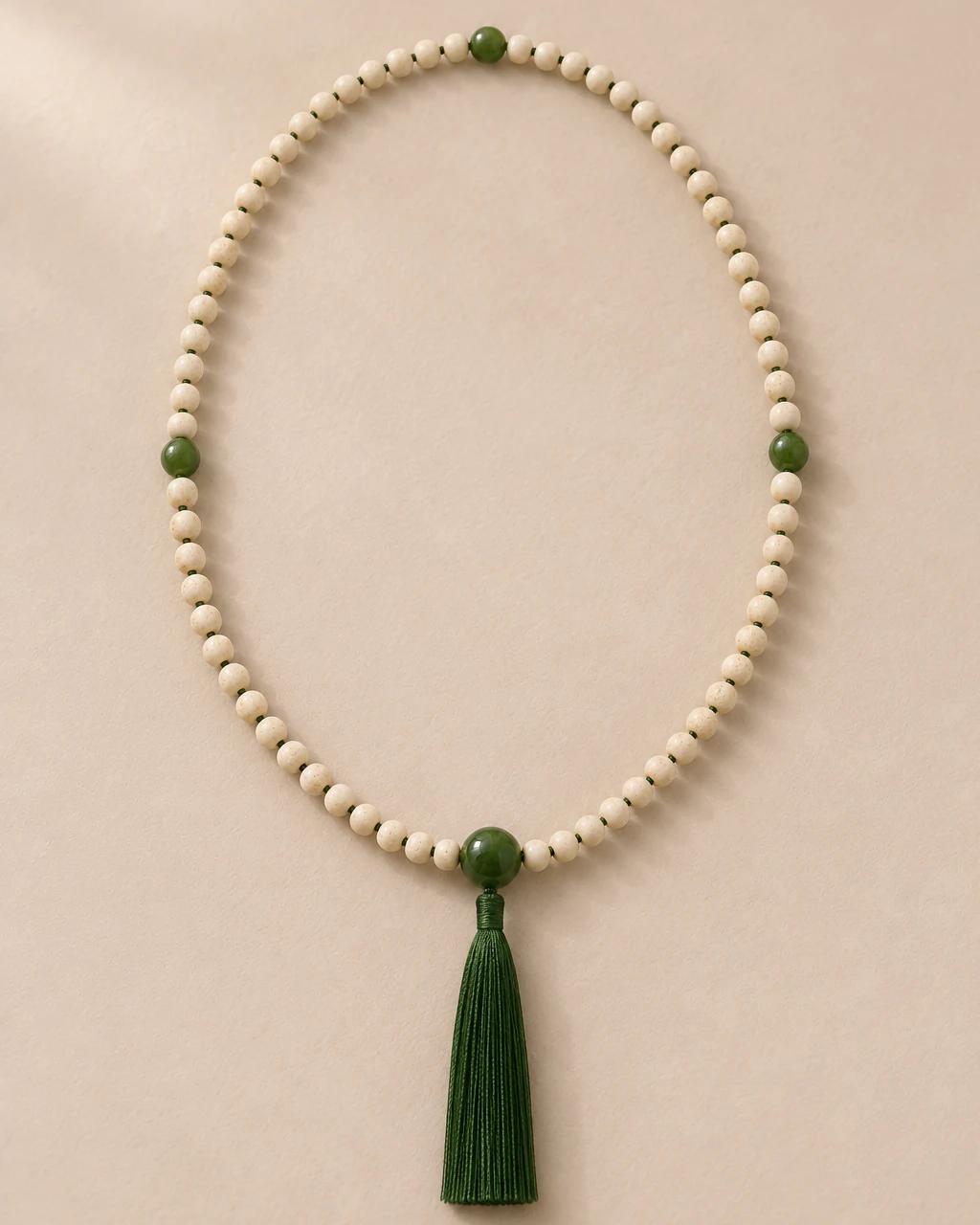
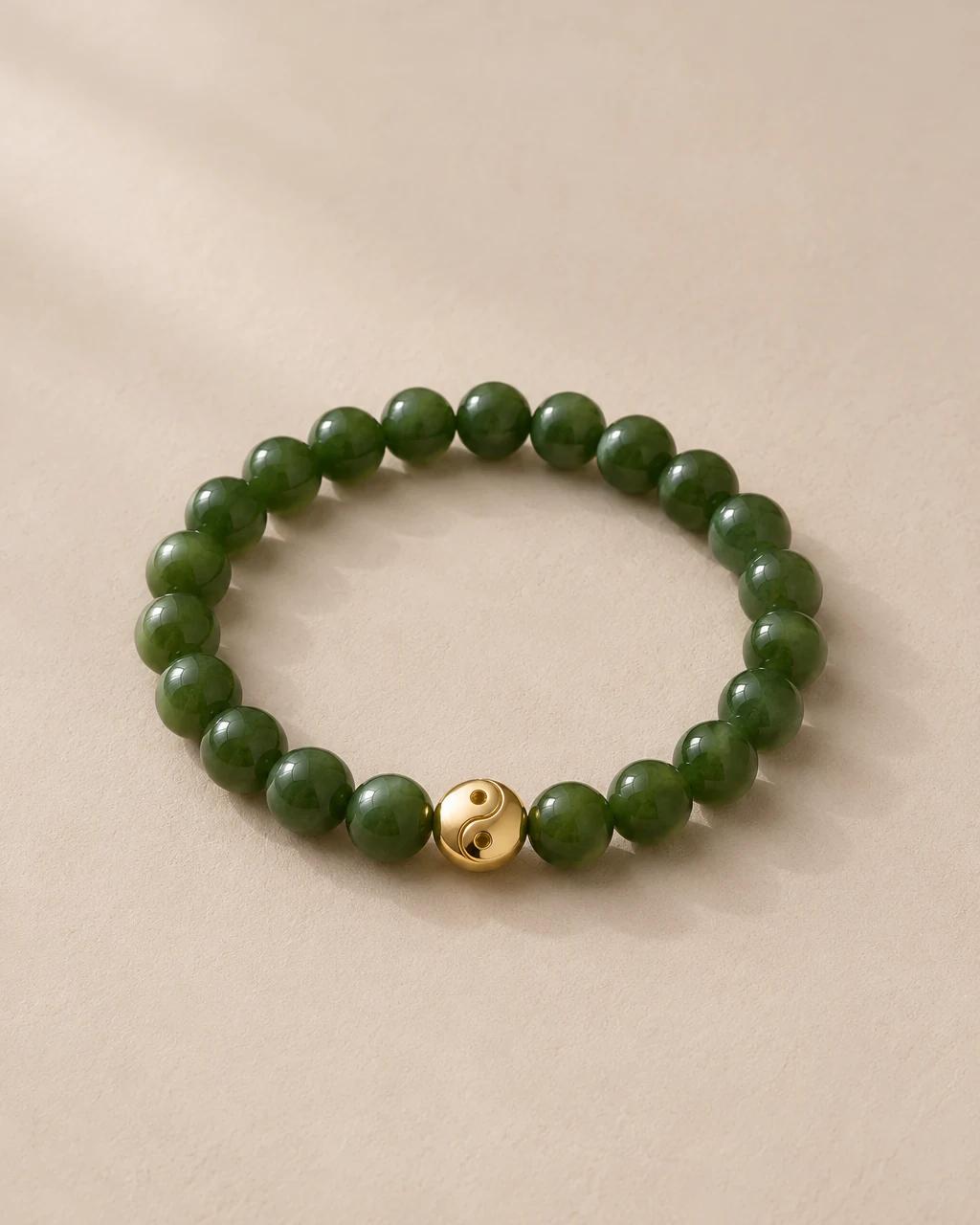
Signature
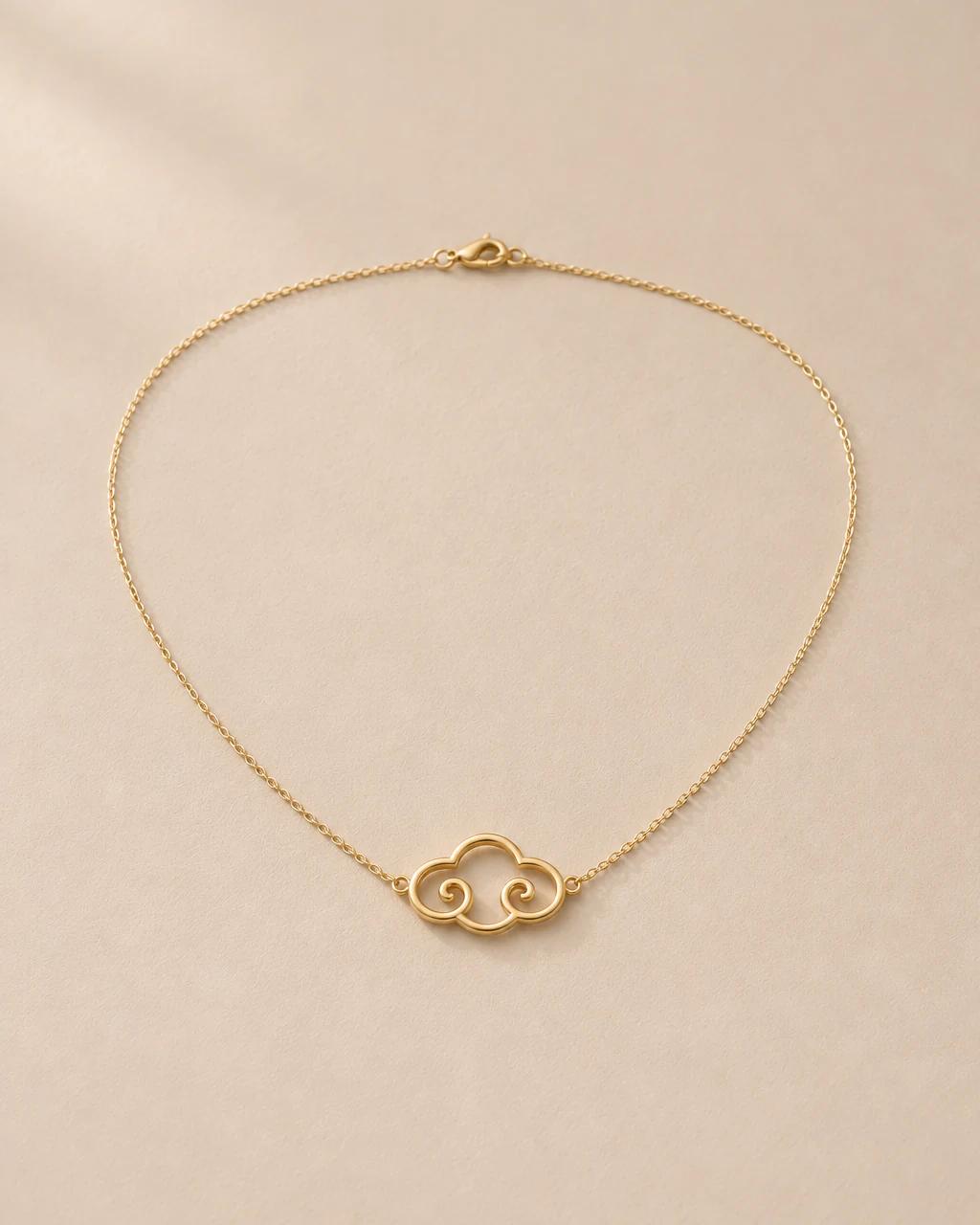
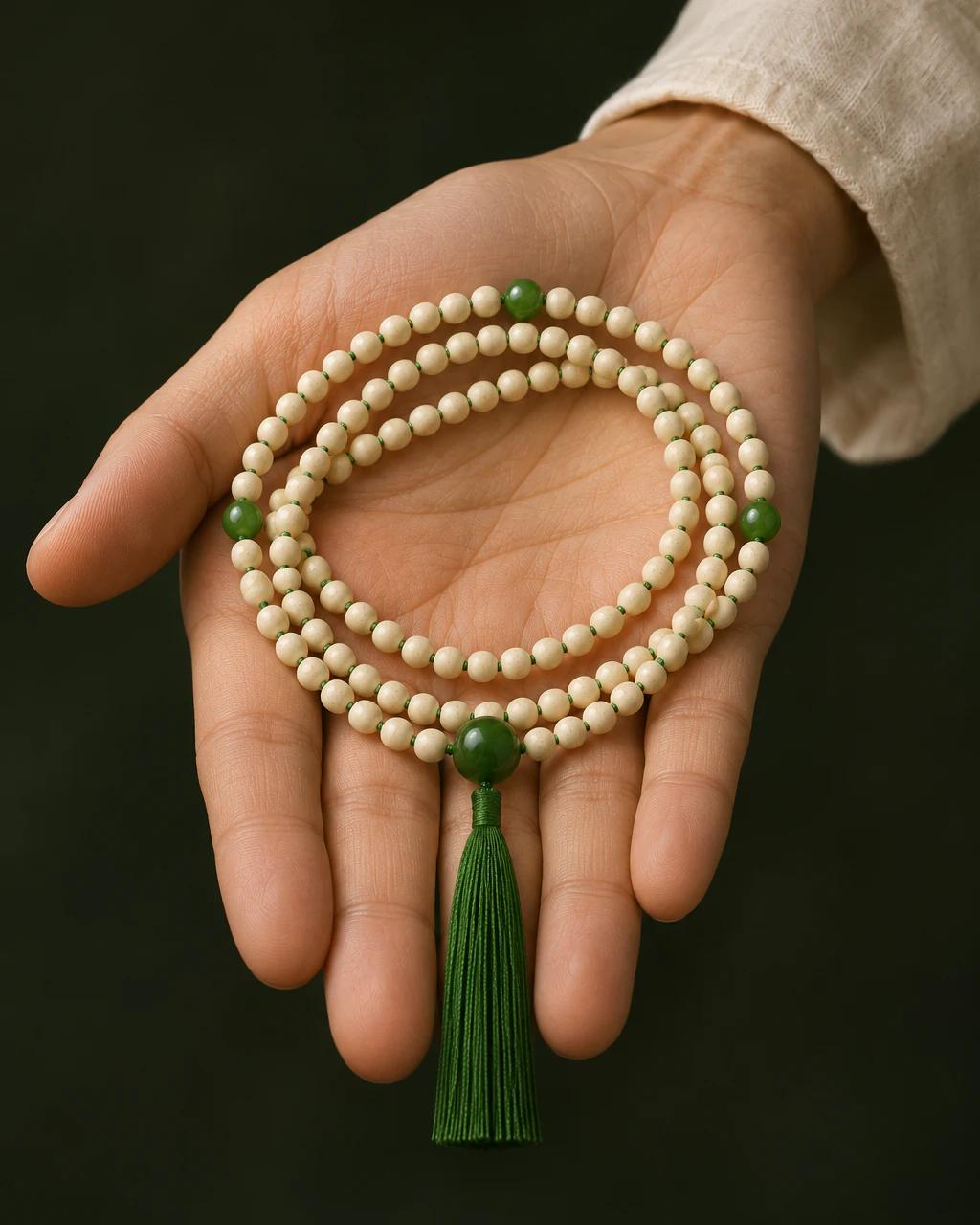
From the journal
Further reading
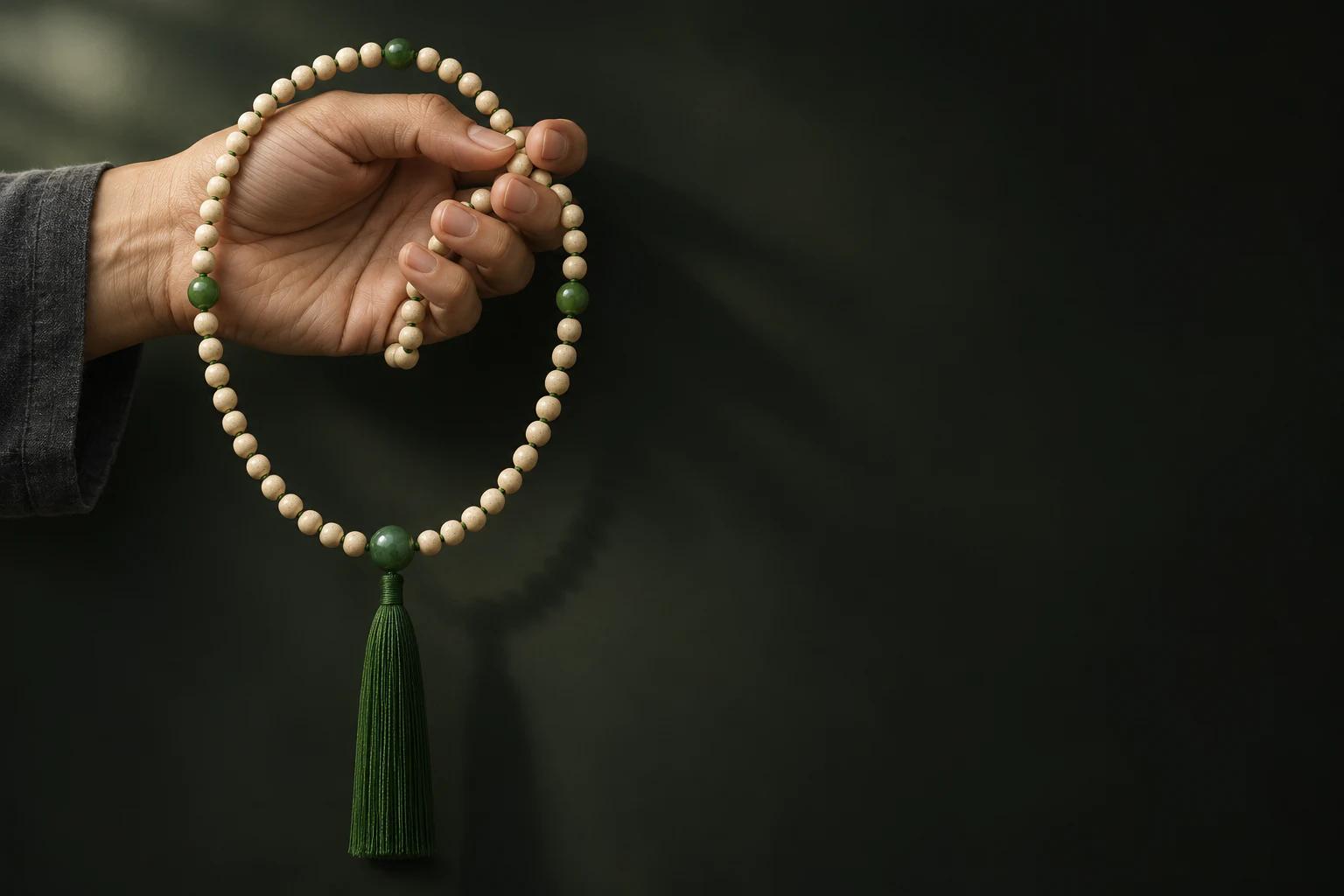
- Practice · 6 min readOne hundred and eight: how to use a malaA mala is a string for counting: 108 beads, one larger bead, a tassel. What the number has meant, how to hold the strand, and how to keep bodhi seed.
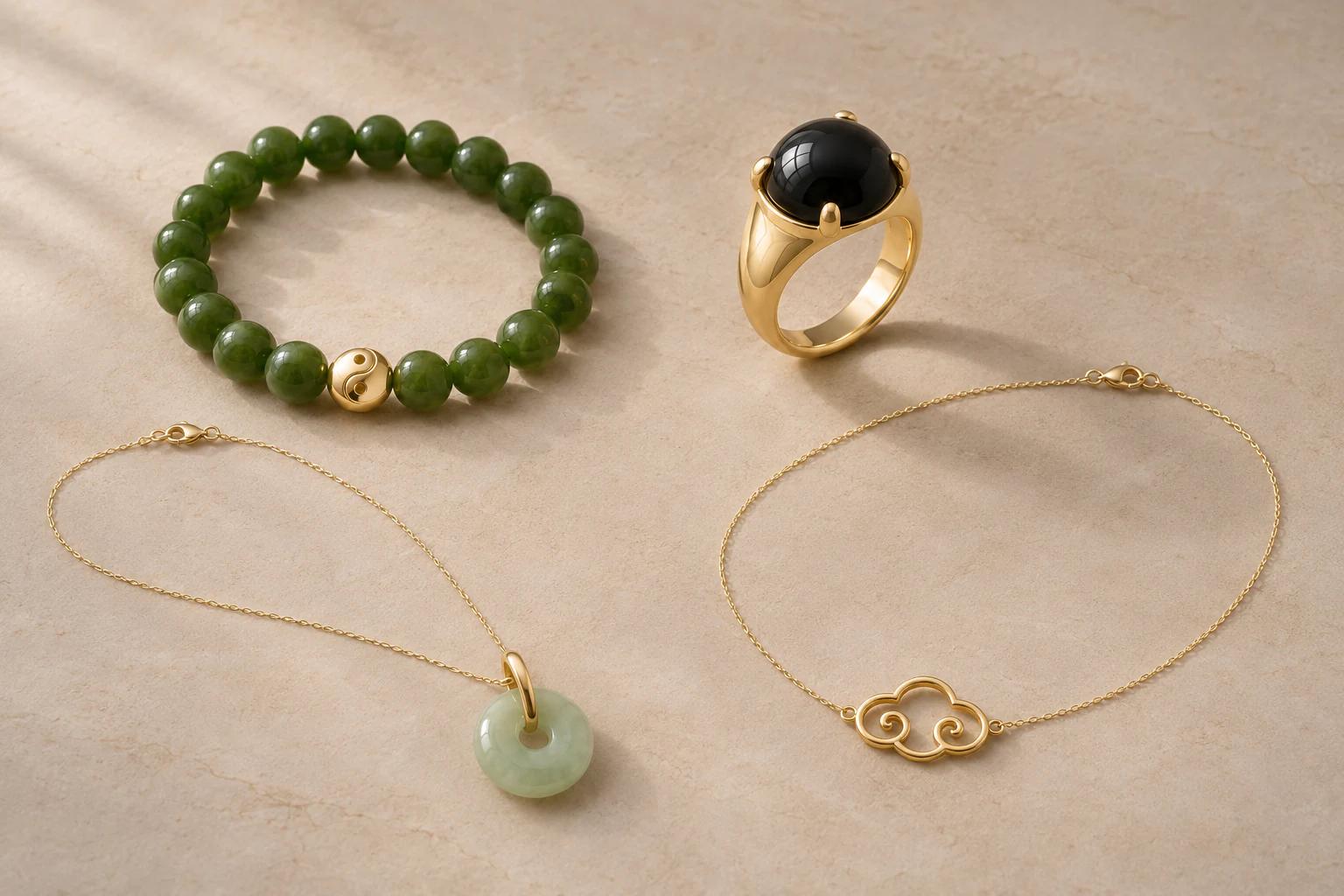
- Guides · 6 min readHow to choose a piece by intentionSeven intentions, the symbols and stones that tradition attaches to each, and a piece or two to start with. A plain guide to choosing jewelry for what it stands for.
The Buddhist tradition